
In this article
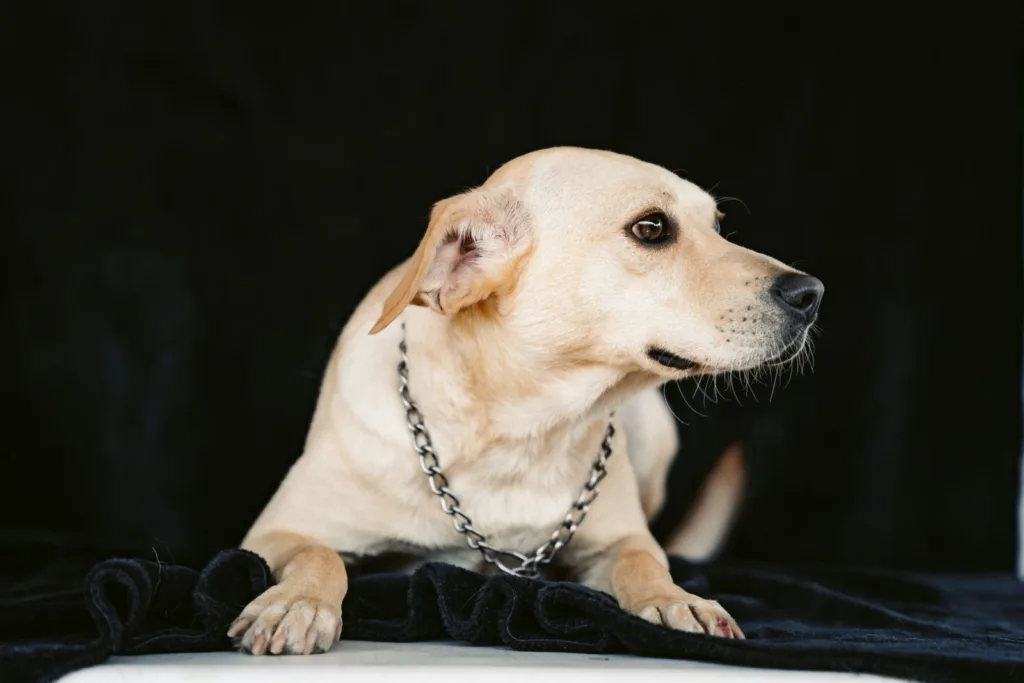
There is no recognized mini Labrador variety in the AKC Labrador standard. A dog advertised as a “mini Lab” may be a smaller purebred, a dog with a skeletal condition, a Labrador mix, or simply a puppy sold with an unreliable size promise.
Ask what the seller means before discussing price. A smaller label does not reliably produce a smaller workload.
What Is a Mini Labrador? Types and Size Differences
| Description | What may explain the size | What to verify |
|---|---|---|
| Small purebred Lab | Normal variation in frame and inherited size | Pedigree, adult relatives, health, and proportion |
| Disproportionately short-legged Lab | A skeletal-development condition may be involved | Veterinary assessment and relevant testing |
| Labrador cross | Inheritance from another breed | Actual parentage and realistic variation in adult size |
| Puppy marketed as permanently tiny | Prediction may be unsupported | Current age, growth history, and basis for the claim |
None of these descriptions establishes health on its own. A small adult can be healthy, while poor growth or unusual proportions may require investigation.
How small can a purebred Labrador be?
Dogs vary around the breed standard, and a smaller dog is not automatically a separate type. Standard measurements describe a breeding and show ideal; they are not a diagnosis for every pet outside the range.
Assess frame, body condition, muscle, and growth history with your veterinarian. Do not feed less in an attempt to keep a growing Lab miniature. Our adult size guide and puppy growth guide explain the distinction between size and condition.
What is skeletal dysplasia 2 in Labradors?
Skeletal dysplasia 2, or SD2, is associated with a COL11A2 variant and a disproportionate form of short stature. UC Davis Veterinary Genetics Laboratory describes recessive inheritance and offers testing for the identified variant.
Recessive means that a carrier can have one copy without showing the same affected appearance. A breeding decision depends on both parents’ results and the broader health picture, not whether a seller has attached the word “tested” to an advertisement.
An SD2 test does not identify every possible cause of short legs or small size. A negative result for that variant cannot serve as an all-purpose guarantee that a dog’s skeleton is normal.
Does dwarfism mean every affected dog has the same problems?
No. Different conditions and individuals have different consequences. Avoid using one dramatic photograph to predict the life of every short-legged Lab, or dismissing every concern because a seller calls the dog a healthy miniature.
Ask a veterinarian to assess proportion, movement, comfort, and the relevance of genetic testing. Persistent limping, pain, or difficulty moving deserves attention regardless of size.
Are mini Lab mixes predictable?
Not completely. Crossing a Labrador with a smaller breed does not produce a fixed adult weight or guarantee a Labrador temperament in a smaller body. Littermates can differ, and coat, activity, and health considerations may come from either side.
Ask about both parents, health testing relevant to both breeds, and adult relatives where available. If a strict size limit is essential—for housing, lifting, or transport—an assessed adult dog offers more certainty than a puppy prediction.
Is paying extra for a mini Lab a good idea?
The label itself provides no evidence of extra value. Pay attention to documented care, transparent history, appropriate health evaluation, and a realistic contract.
Be cautious about claims that every puppy will stay below an exact weight, that dwarfism is a harmless selling feature, or that a new size variety is officially recognized without documentation. A seller should explain the basis of the size claim in plain language.
Our Labrador cost guide separates the price of acquiring a dog from the cost of caring for it. Smaller purchase size does not eliminate training, veterinary, or daily-care needs.
Frequently asked questions
What smaller breeds might offer some Labrador-like qualities?
The Nova Scotia Duck Tolling Retriever is a smaller recognized retriever, but it can be an energetic working dog rather than an easy miniature Lab. English Cocker Spaniels and some other sporting breeds offer their own mix of sociability and activity, with different coat and training needs.
Choose the qualities you actually want—size, retrieving interest, sociability, coat care, or activity level—then compare tradeoffs. Our 12 breeds similar to Labradors guide is organized around those decisions.
What should you ask before committing?
Request the adult-size basis, parent identities, relevant test results, veterinary records, and a clear explanation of whether the dog is a purebred or cross. Meet the dog where possible and watch how it moves.
If the answers remain vague, do not let a deadline replace them. A suitable dog is worth choosing carefully; an invented variety name is not a reason to hurry.
Evidence and review
Key source: UC Davis Veterinary Genetics Laboratory’s SD2 explanation. Additional checks: AKC Labrador standard and recognized breed profiles. Research reviewed September 27, 2026. No fixed adult-size guarantee is implied for a puppy or cross.


