In this article
- What causes long hair in dogs?
- Can two short-haired Labs have a long-haired puppy?
- How do you distinguish puppy fluff from a long adult coat?
- Is a Long Haired Labrador Retriever Purebred?
- Can a long-haired Labrador be shown?
- Does long hair make a Labrador unhealthy?
- Frequently asked questions
- Evidence and review
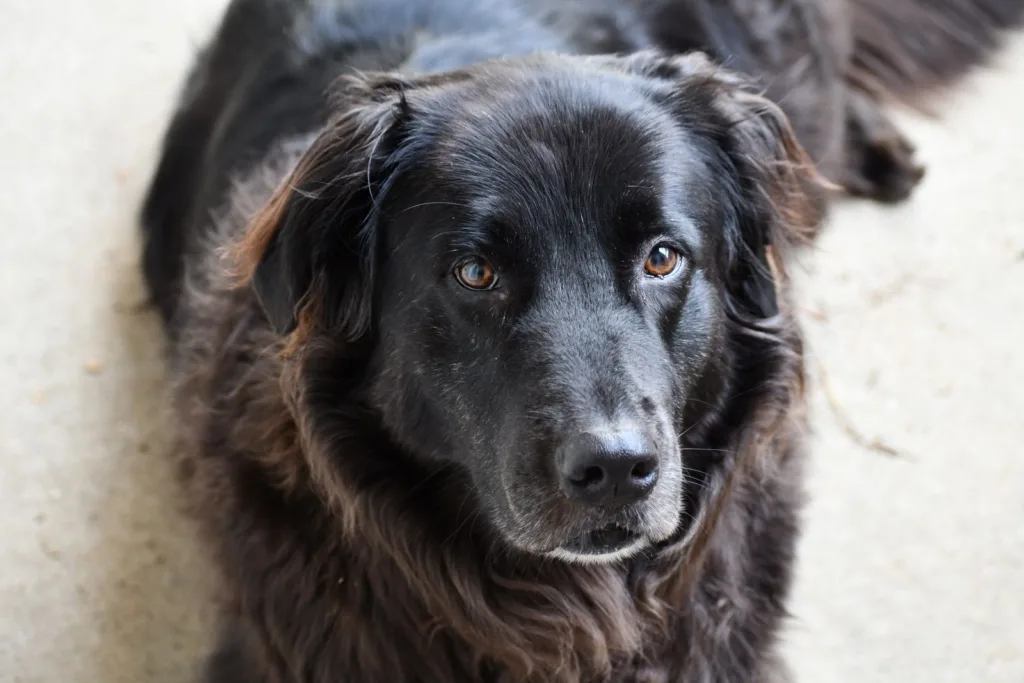
A Long Haired Labrador Retriever from a recorded purebred line can have an unexpectedly long coat. Recessive coat-length variants can remain hidden in short-coated parents. A fluffy appearance alone therefore does not prove a recent cross—but it does not verify a pedigree either.
The ordinary Labrador standard calls for a short, dense coat. A longer coat changes the grooming job, not the dog’s need for ordinary health care, training, and a suitable home.
What causes long hair in dogs?
Variants in FGF5 are associated with long hair in dogs. UC Davis Veterinary Genetics Laboratory describes multiple recessive variants and explains that dogs with two relevant long-hair copies can have a long coat, while carriers can appear short-haired.
The exact test and variants matter. Do not assume a result from a panel that omits a relevant variant answers every coat-length question. Ask the laboratory or veterinarian to interpret the result for the individual dog and its background.
Can two short-haired Labs have a long-haired puppy?
Yes, if both carry a compatible recessive long-coat variant. In a simplified pairing of two carriers of the same recessive variant, each puppy has a one-in-four probability of inheriting two copies.
That does not mean every litter will contain exactly one long-haired puppy for every three short-haired puppies. Inheritance probabilities apply to each conception; small litters can depart substantially from the expected proportion.
A documented breeder account
In its June 18, 2014 article “Long Coats,” Ashland Labradors reported three long-coated puppies in one litter after a previous mating of the same parents produced none. This is a breeder’s published account, not independently verified research.
The example illustrates why a previous short-coated litter does not rule out recessive inheritance. It does not establish the frequency of long coats across the breed or prove the ancestry of a different puppy.
How do you distinguish puppy fluff from a long adult coat?
Puppy coats change, and one photograph may not show the eventual texture or length. Follow development, compare reliable family records, and use appropriate testing when the distinction matters.
| Appearance | What it may tell you | What it cannot establish alone |
|---|---|---|
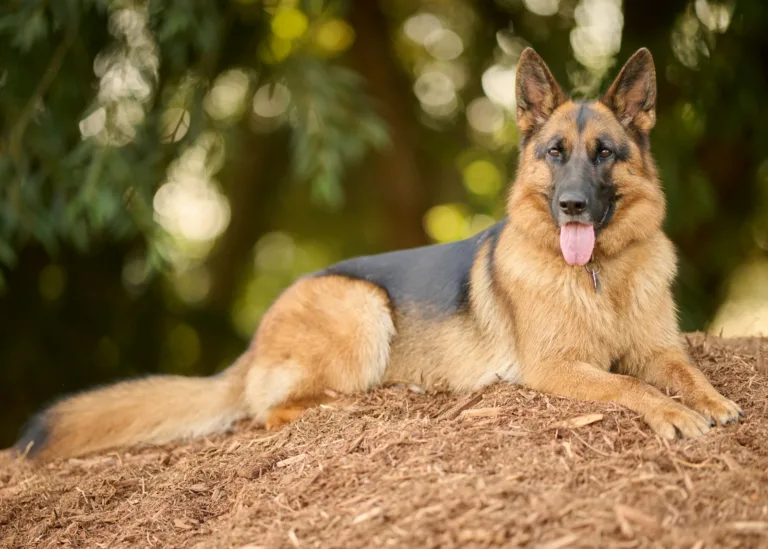
| Dense ordinary Labrador coat | Typical short double-coat appearance | Whether the dog carries a recessive long-coat variant |
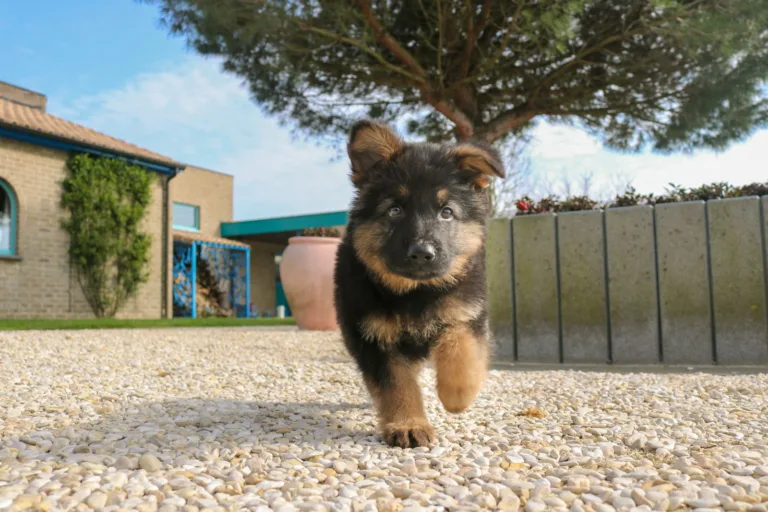
| Fluffy young puppy | A temporary developmental appearance or longer coat | Exact adult coat or ancestry |
| Persistent longer hair or feathering | A longer-coat phenotype worth investigating if relevant | Whether a recent cross occurred |
If the change involves patchy loss, poor coat quality, itching, or skin lesions, that is a health question rather than simply a long-coat question.
Is a Long Haired Labrador Retriever Purebred?
The coat cannot answer that by itself. Review the dog’s registration, parentage records, breeder history, and any relevant testing. A coat-length test identifies tested variants, not an entire pedigree.
Commercial breed-ancestry estimates and verified parentage testing also answer different questions. Ask what evidence is actually being offered before accepting “DNA proves everything” in either direction.
Can a long-haired Labrador be shown?
The AKC Labrador standard specifies the normal short, dense coat and identifies long coats as incorrect. That is a conformation issue, separate from whether the dog can be registered under applicable rules or be a valued companion.
If showing or breeding is your goal, consult the current standard and registry requirements before making a decision. Do not buy a dog based on an assurance that an unusual coat is a newly recognized variety without documentation.
Does long hair make a Labrador unhealthy?
A long coat by itself does not diagnose disease. The dog still needs the same attention to inherited conditions, joints, eyes, body condition, and preventive care as another Lab.
Avoid both extremes: declaring the dog unhealthy because it looks unusual, or declaring it especially healthy because the coat is rare. Our Labrador health guide explains the records that matter more than appearance.
Frequently asked questions
How should you groom a long-haired Lab?
Check for tangles where hair rubs or collects debris, such as behind ears, around legs, and in longer feathering. Use gentle tools suited to the actual coat and work in short comfortable sessions.
Remove loose hair, dry the coat appropriately after washing or swimming, and seek professional help for matting rather than cutting close to the skin. Product and bathing choices should change if there is a skin condition.
Our grooming guide covers the basic routine. The shedding guide explains why longer hair does not create an allergy-safe dog.
Should a long coat cost more?
An unusual appearance does not establish extra health or breeding value. Compare records, care, temperament, and support rather than paying for a scarcity claim.
A little extra hair is manageable for many households. An unclear health history deserves considerably more attention than an unusually fluffy tail.
Evidence and review
Key source: UC Davis Veterinary Genetics Laboratory’s coat-length explanation. Additional checks: AKC Labrador standard; Ashland Labradors’ dated breeder account, attributed above as an anecdote. Research reviewed September 27, 2026.