In this article
Dogs similar to Labs include Golden Retrievers, Flat-Coated Retrievers, and Chesapeake Bay Retrievers share important working traits with Labradors. If you want a smaller dog or less loose hair, other breeds may fit parts of your wish list—but none is simply a Labrador with one inconvenient feature removed.
Start by naming the qualities you want: sociability, retrieving interest, size, coat care, or activity level. “Like a Lab” is a useful beginning and a rather incomplete shopping list.
Which Dogs Similar to Labs Should You Compare First?
The size descriptions below are broad comparisons, not individual measurements. Temperament and energy vary within every breed.
| Breed | Labrador-like appeal | Main tradeoff to investigate |
|---|---|---|
| Golden Retriever | Social sporting companion and retrieving background | Longer feathered coat |
| Flat-Coated Retriever | Active retriever with an enthusiastic style | Energy, coat care, and breed-specific health history |
| Chesapeake Bay Retriever | Strong water-retrieving background | Often a different social style from an outgoing Lab |
| Curly-Coated Retriever | Athletic retrieving dog | Distinct coat and potentially more reserved manner |
| Nova Scotia Duck Tolling Retriever | Smaller recognized retriever | Small does not mean low energy |
| English Cocker Spaniel | Compact sporting companion | Coat and ear care; working-line needs |
| English Springer Spaniel | Active, cooperative sporting dog | Substantial activity and grooming commitments |
| Standard Poodle | Athletic, trainable companion with less loose hair | Regular clipping and coat maintenance |
| Portuguese Water Dog | Athletic water-working background | Grooming and an active daily routine |
| Clumber Spaniel | More deliberate sporting-dog style | Substantial body, coat, and individual health needs |
| Newfoundland | Water-work heritage and companion appeal | Much larger body and care demands |
| Collie | Responsive companion with a different working background | Herding traits, coat choice, and vocal behavior |
This is an editorial comparison based on breed characteristics, not a measured ranking of friendliness or ease.
Which other retrievers are closest to a Labrador?
1. Golden Retriever
A Golden is a sensible comparison if you want a social sporting dog and accept a longer coat. Both breeds need activity and training, and neither is reliably low-shedding. Our Lab versus Golden guide examines the daily differences.
2. Flat-Coated Retriever
Consider a Flat-Coat if you enjoy an active retrieving companion and are prepared for enthusiasm that needs direction. Meet adults and discuss health history carefully. Do not select one solely because a black coat and retriever outline look familiar.
3. Chesapeake Bay Retriever
The Chesapeake offers a strong water-retrieving background, but its social tendencies should be assessed separately from a Lab’s. A capable working dog may still be a poor fit for someone expecting immediate friendliness with every stranger.
4. Curly-Coated Retriever
The Curly combines retrieving work with a distinctive coat and its own temperament. Investigate adult behavior, handling, and grooming rather than assuming curls make it a Poodle-like, non-shedding alternative.
What smaller breeds offer some Lab-like qualities?
5. Nova Scotia Duck Tolling Retriever
The Toller is the smallest AKC retriever. It can appeal to someone wanting retrieving interest in a smaller body, but the breed can be demanding in activity and engagement. A smaller dog can still occupy a large part of your schedule.
6. English Cocker Spaniel
An English Cocker can offer a compact sporting-dog package with interest in people and activity. Investigate the particular line: a working dog may bring different demands from those you expected. Plan for coat and ear care.
7. English Springer Spaniel
A Springer may suit someone who enjoys regular outdoor activity and training. It is a sporting breed with stamina, not a miniature Labrador temperament guarantee. Ask how adult relatives settle as well as how they work.
If a seller offers a “mini Lab,” read our miniature Labrador guide before assuming it is a recognized size variety.
Which options leave less loose hair around the home?
8. Standard Poodle
A Standard Poodle can be an athletic, responsive choice with less visible shedding than a Lab. The coat still needs substantial maintenance, usually including regular clipping. Low shedding does not establish allergy safety.
9. Portuguese Water Dog
This breed offers an active water-working background and a lower-shedding coat. Plan for grooming and meaningful daily activity. The feature removed from the vacuum often reappears on the grooming calendar.
If allergies drive the decision, discuss exposure with the affected person’s clinician. No breed label guarantees that a household member will not react. Our shedding and allergy guide explains that distinction.
Frequently asked questions
What if you want a more relaxed companion?
Clumber Spaniel
A Clumber’s more deliberate style may appeal, but it is still a substantial sporting dog with individual activity and health needs. Shorter legs should not be confused with a lightweight dog or an absence of exercise requirements.
Newfoundland
A Newfoundland may appeal for its companion temperament and water heritage, but it greatly changes the practical size question. Consider transport, lifting, grooming, space, and medical costs. A gentle reputation does not reduce the physical responsibility.
Collie
A Collie offers a responsive companion from a herding background rather than a retrieving one. Investigate sensitivity, vocal behavior, and the care differences between coat varieties. It may fit some priorities while differing substantially from a Lab in others.
For a genuinely calmer fit, meeting assessed adult dogs can be more useful than choosing a puppy from a breed described as mellow. Age and individual behavior provide information that a label cannot.
How should you make the final choice?
Write down your nonnegotiable limits: adult size you can handle, grooming budget, realistic weekday activity, time alone, and the needs of children or other animals. Then ask breeders or rescues for specific evidence about the dog in front of you.
Verify breed-relevant health screening and current veterinary records. A different breed changes the screening questions; it does not remove them. Avoid comparing unrelated disease statistics as though they establish a universal healthiest choice.
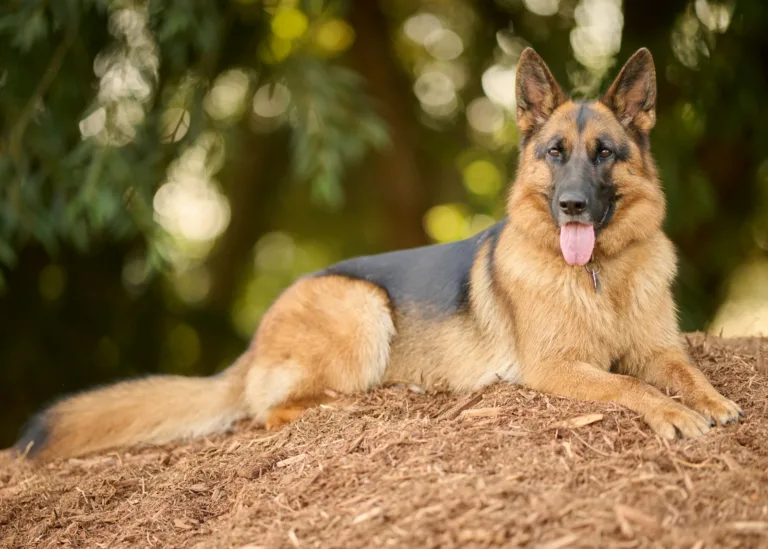
For a different working-breed comparison, read Labrador versus German Shepherd. If the Labrador still fits best, return to the breed guide with a clearer idea of the responsibilities.
Evidence and review
Key source: AKC’s recognized dog-breed directory. The individual AKC profiles for all 12 named breeds were checked for this comparison; allergy context was checked against published dog-allergen research. Research reviewed September 27, 2026. Similarity and household tradeoffs are editorial judgments, not numerical rankings.