In this article
British Shorthair silver coats combine a pale base with darker coloring in different patterns. Silver shaded, shell, tabby and smoke are related descriptions, but they do not all mean the same appearance. A solid blue-gray British Shorthair is also not automatically a silver cat.
If you are comparing kitten listings, ask for the full color description. “Silver” alone leaves out information that can explain why two cats look quite different.
British Shorthair Silver Patterns Explained
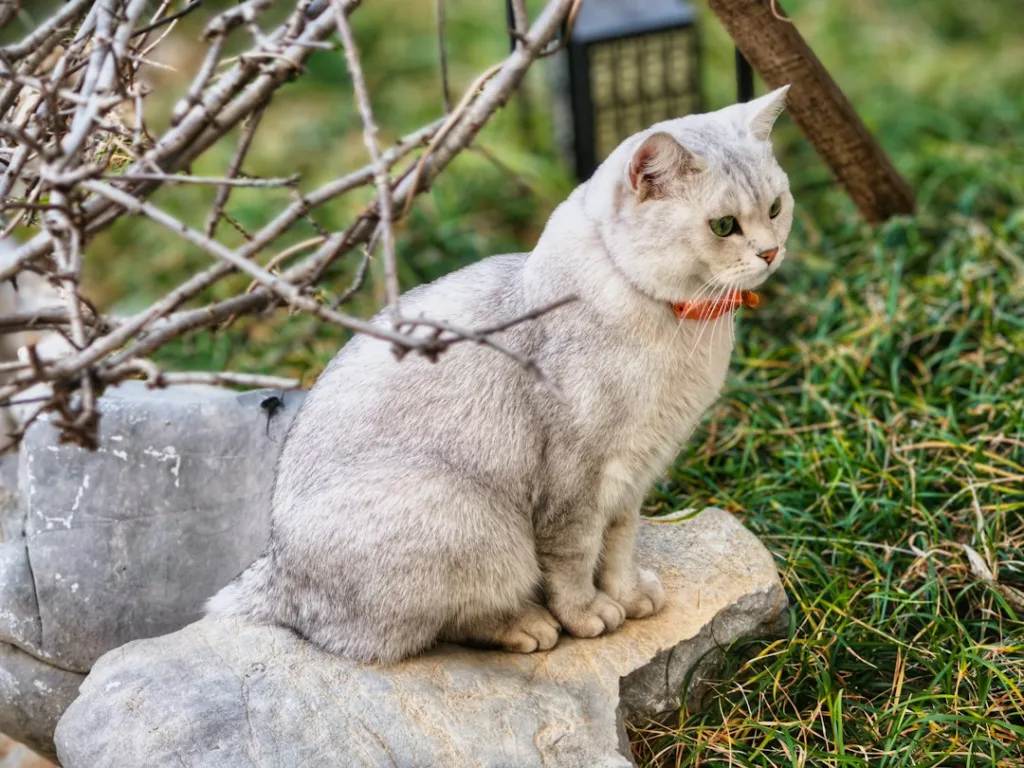
The distribution of darker coloring affects the impression you see. Some silver cats have clear markings. Others look softly shaded, while smoke can reveal a pale base more clearly as the coat moves.
| Description | What to look for |
|---|---|
| Silver tabby | Visible tabby markings over a pale background |
| Silver shaded | Darker coloring distributed over a light base |
| Silver shell or chinchilla | A lighter overall tipped appearance |
| Smoke | Darker outer appearance with a pale base visible through the coat |
These descriptions help you ask better questions. They are not a reliable method for establishing pedigree from a photograph. Our guide to the colours of British Shorthair cats explains how color, pattern and registration fit together.
A Real Standard Example
CFA’s British standard describes shaded silver using roughly one-third tipping and chinchilla silver using roughly one-eighth. These are show descriptions that also depend on the distribution of coloring. They are not instructions for an owner to measure every hair.
The example explains why a chinchilla-type coat may appear much lighter overall than a shaded coat. It does not mean every pale-looking kitten can be accurately labeled from one image.
Lighting, coat development and the camera’s exposure can all affect the picture. Ask for ordinary daylight photographs and the registered description rather than relying on heavily edited advertising images.
Silver Is Different From Blue and Golden
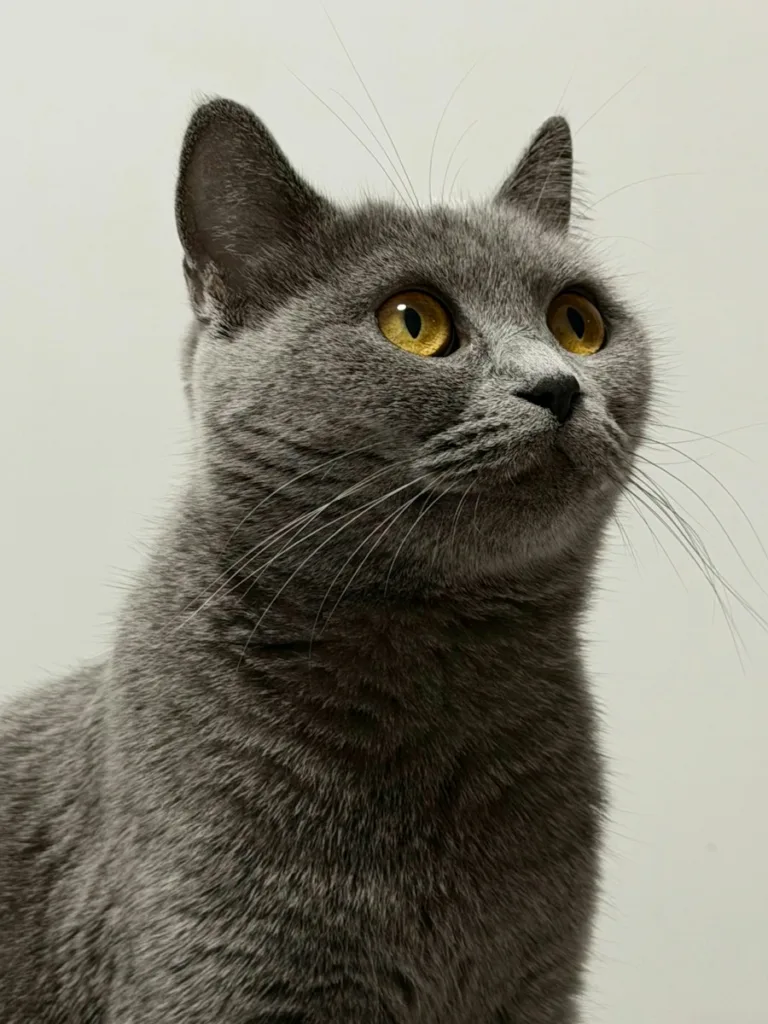
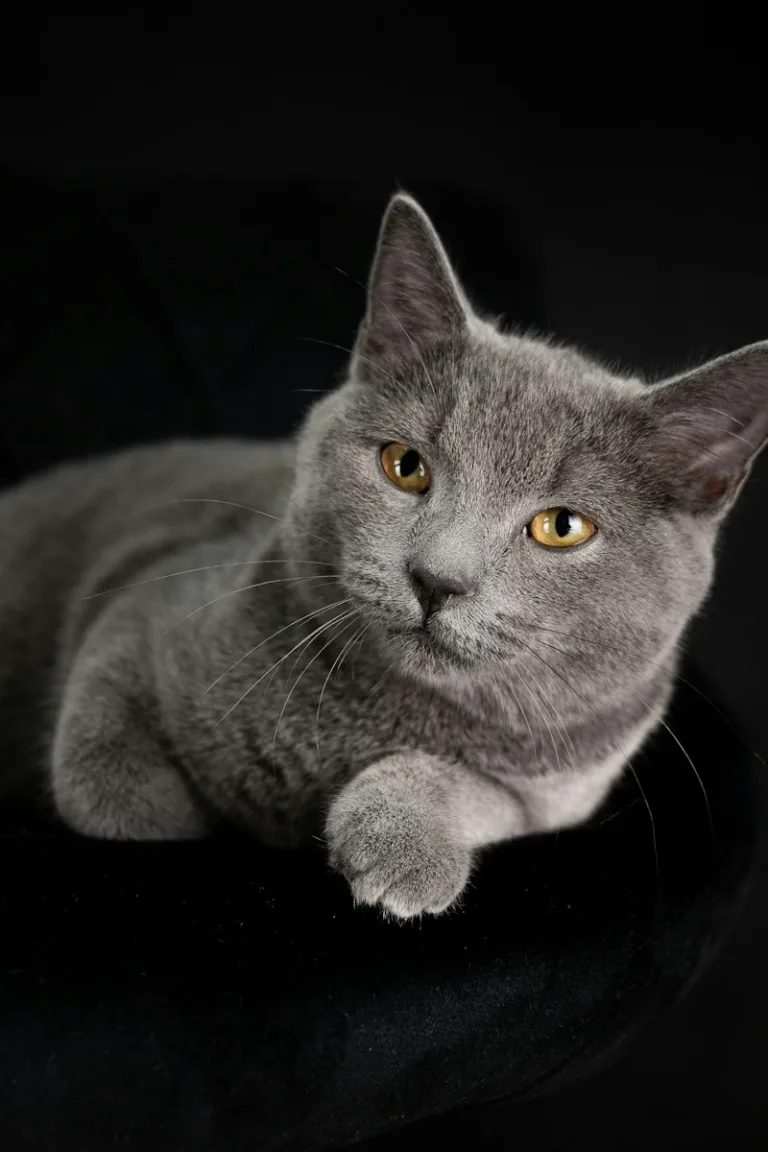
Blue describes a dilute black color that appears gray. Silver describes a different coat effect. A blue cat can look silvery in bright light without being registered as silver shaded or silver tabby.
Golden has a warmer underlying appearance. It should not be treated as silver with a yellow photo filter. Our golden British Shorthair guide explains golden terminology and why some genetic findings apply to specific phenotypes rather than every warm-colored cat.
You may see similar terminology in other breeds. For example, silver Maine Coons can also be described by color and pattern. That shared vocabulary does not mean the breeds have identical standards or care needs.
What About Eye Color?
Eye-color expectations depend on the coat variety and the registry. Do not assume all silver British Shorthairs must have one eye color simply because a breeder’s gallery shows it repeatedly.
Ask which standard the seller is using and what the kitten’s registration says. Young cats can also look different as they mature. An eye-color claim should not replace a discussion of health, temperament and the cat’s actual identity.
If a seller promises an unusual combination, separate three questions: can the appearance occur, is it accepted by the stated registry, and what evidence supports the cat’s health? Those questions have different answers.
Choosing a Silver Kitten Responsibly
A color preference is fine, but it should not override the basics. Ask to see parent identities, health documentation and the kitten’s living environment. Read the contract before paying. Find out what happens if the cat cannot remain in your home.
There is no verified silver-specific national price average in the research used here. A “rare silver” label does not establish scarcity or justify skipping checks. Compare complete offers rather than prices alone.
Daily care does not require a special silver-coat feeding plan. Provide suitable food, measured portions, daily play and gentle grooming. Treat skin irritation or a sudden coat change as a health question, not a cosmetic fault to hide before photographs.
The broader subject of cat coat genetics explains why several inherited features can combine in one coat description.
For practical meal planning, use our cat food calculator as a starting estimate and adjust the plan around your cat’s body condition.
FAQs
What is a silver shaded British Shorthair?
It is a British Shorthair with darker tipping distributed over a pale silver base. The exact show description depends on the registry. It is a coat variety, not a separate breed.
What is a chinchilla British Shorthair?
Chinchilla commonly describes a lightly tipped appearance associated with shell terminology. Ask for the registry’s exact description because sellers may use the word loosely. It does not identify a separate breed.
What is the difference between silver shaded and chinchilla?
Shaded coats generally show more dark tipping, while chinchilla or shell coats appear lighter overall. CFA’s standard uses approximate tipping proportions, but the whole coat distribution matters rather than a single hair.
Are silver British Shorthairs rare?
Availability varies by region and breeding population. The evidence here does not establish a universal rarity ranking. Request documentation and assess the individual cat rather than relying on the seller’s rarity claim.