In this article
German Shepherds and Rottweilers are substantial dogs whose size makes thoughtful handling and training important. Neither should be chosen because it looks intimidating or because a breed description promises loyalty.
Compare the individual’s behavior, physical needs and the household’s ability to manage it safely.
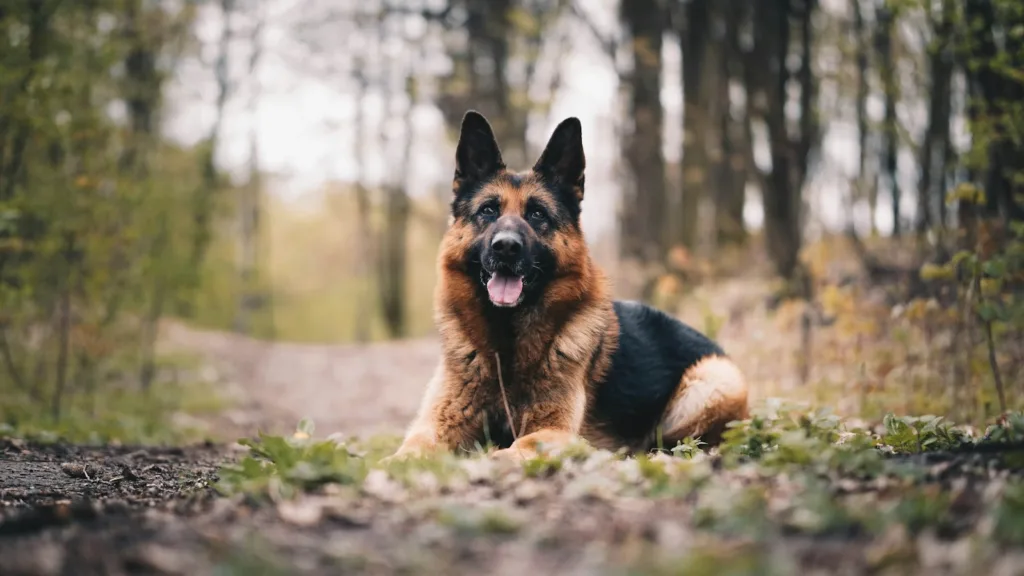
Appearance and proportions
| Feature | German Shepherd | Rottweiler |
|---|---|---|
| Male standard height | 24–26 inches | 24–27 inches |
| Female standard height | 22–24 inches | 22–25 inches |
| General outline | Longer than tall | Compact, substantial build |
| Ears | Upright in the standard | Pendant ears |
| Coat | Double coat with length variation | Short-to-medium coat |
The AKC Rottweiler standard provides that breed’s reference. Similar height does not mean identical mass, movement or handling demands.
Temperament needs observation
Ask about the dog’s responses to visitors, other animals, unfamiliar settings and handling. Neither breed name proves safe behavior with children or a capacity to judge threats.
Choose reward-based training and secure management. Physical strength should be a reason to prepare early, not an excuse to use harsher methods.
Daily activity and rest
Adapt activity to age, condition and health. A large dog should not be pushed through pain or treated as fully mature simply because it looks powerful.
Teach leash skills, recall and settling before those needs become difficult to manage. The training guide offers practical starting priorities.
Grooming health and budget
The German Shepherd’s coat can require more obvious loose-hair and tangle management, depending on length. A Rottweiler still needs routine coat, nail, ear and dental care.
Request relevant screening and veterinary records for either breed. Avoid claims that one breed always lives longer or costs less based on unmatched website ranges.
Plan transport and assistance for illness or later-life mobility changes. Being able to handle the dog safely matters on an ordinary day and when something goes wrong.
Choosing for a family
Meet suitable adult dogs where possible and ask for history in comparable homes. Consider children’s ages, other pets, visitors and the adults’ ability to supervise.
The family guide applies a more useful test than “which is more loyal?”: can the household consistently meet this dog’s needs and manage foreseeable situations?
Frequently asked questions
Which is the better guard dog?
A breed label does not establish trained protection ability. The guard-dog guide explains why alerting, reactivity and specialist work differ.
Which is stronger?
A simple ranking would require a defined task and comparable evidence. Strength is less useful for choosing a pet than manageable behavior and health.
Are Rottweilers calmer?
Some individuals may be, but that is not a safe universal assumption. Assess the actual dog and its routine.
Can either suit a beginner?
Possibly, with a suitable individual, realistic preparation and support. Neither should be selected on appearance alone.