In this article
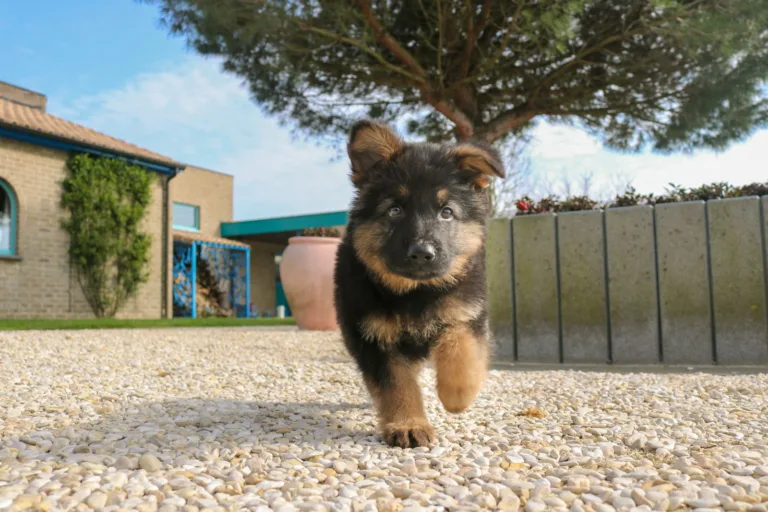
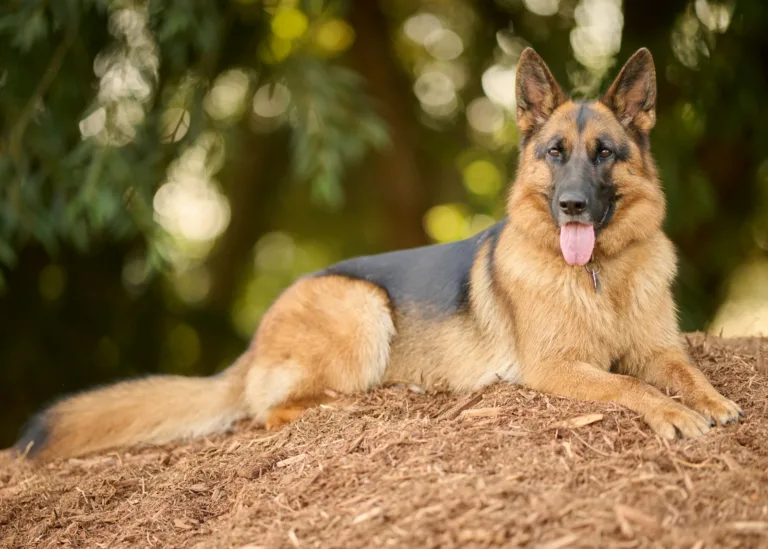
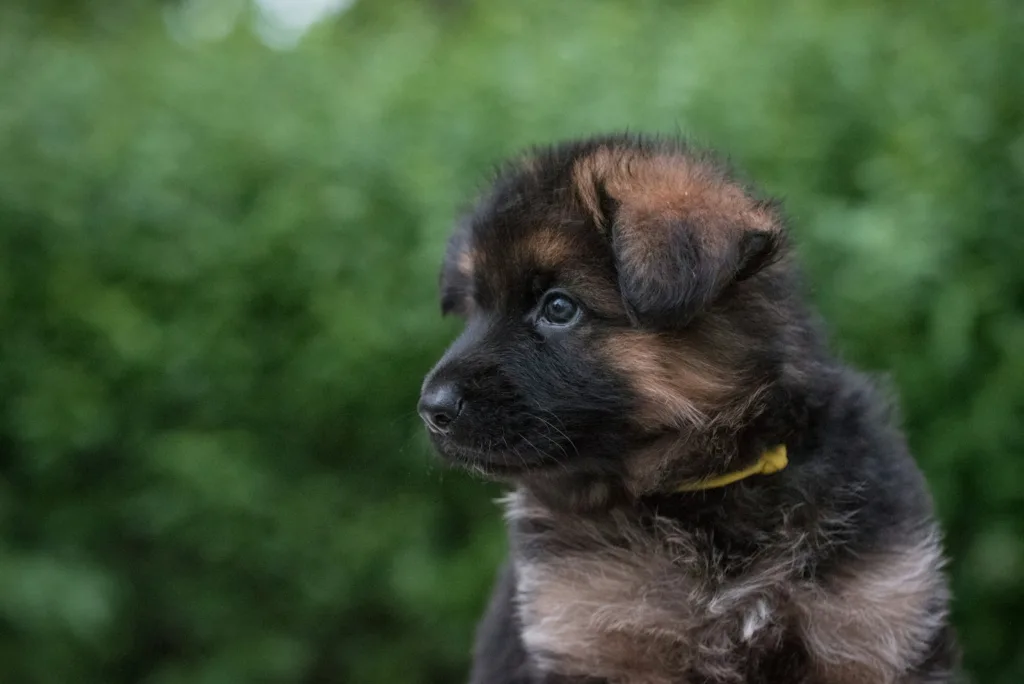
German Shepherd ears can change position during puppyhood, and some remain soft or uneven. Upright ears are part of the breed standard, but an ear that does not meet a show ideal is not automatically a health problem—or proof that a puppy is mixed.
Pain, discharge, odor or a sudden change deserves more attention than whether both ears are symmetrical in a photograph.
When do ears stand up?
There is no reliable deadline that applies to every puppy. Ear position may vary as a puppy develops, so a week-by-week promise is more precise than the evidence supports.
Keep photographs if you want to track changes, but do not repeatedly manipulate the ears to test them. Compare comfort and health as well as appearance.
| What you notice | Useful response |
|---|---|
| Comfortable puppy with changing ear positions | Mention it at the next routine examination |
| One ear suddenly changes, with scratching or head shaking | Arrange a veterinary assessment |
| Discharge, odor, swelling or obvious pain | Seek veterinary advice promptly |
| Ears remain floppy without discomfort | Discuss health separately from cosmetic or show expectations |
The AKC standard describes ears carried upright when attentive. A standard describes the desired adult appearance; it is not an ear-development treatment guide.
Should you tape a puppy’s ears?
Do not start taping from an online tutorial. Adhesives, pressure and unsuitable materials can irritate or injure the ear, and a bandage may conceal a developing problem.
Ask a veterinarian to examine the puppy first and explain whether any intervention is appropriate. A cosmetic preference should not outrank comfort or normal handling. Do not crop ears to create the breed’s natural appearance.
Calcium and chewing myths
Adding calcium, yogurt or other supplements is not an evidence-based home treatment for floppy ears. Unnecessary supplementation can also disrupt an otherwise balanced puppy diet.
Provide safe, suitable chew items for normal puppy behavior, but do not promise that chewing will straighten ears. The puppy-food guide explains why growth nutrition should be assessed as a whole.
What can ear position tell you about mood?
Ear position is one part of body language. Consider the eyes, mouth, body tension, movement and what is happening around the dog.
A dog turning its ears back while approaching a familiar person is not necessarily expressing the same emotion as a stiff dog trying to retreat. Avoid a one-picture dictionary that labels every position “happy,” “dominant” or “guilty.” If handling causes discomfort, stop and investigate rather than treating resistance as disobedience.
Keeping ears comfortable
Inspect the visible ear during ordinary grooming and ask your vet whether cleaning is needed. Do not push cotton swabs into the canal or add home remedies to a painful ear.
For routine care beyond the ears, use the German Shepherd grooming guide. A calm, cooperative handling routine is more valuable than winning a brief wrestling match over an ear flap.
Frequently asked questions
Do all German Shepherd ears stand up?
No. Adult appearance varies, and some dogs retain floppy ears. That alone does not establish the cause or the dog’s ancestry.
Is one floppy ear an emergency?
Not usually by appearance alone, but a sudden change with pain, swelling, discharge or balance problems needs veterinary advice.
Can food make ears stand?
There is no dependable food-based fix. Feed an appropriate balanced growth diet and avoid unprescribed supplements.
Can I tell whether my puppy is purebred from its ears?
No. Read the breed guide for the distinction between breed traits, pedigree evidence and health.