In this article
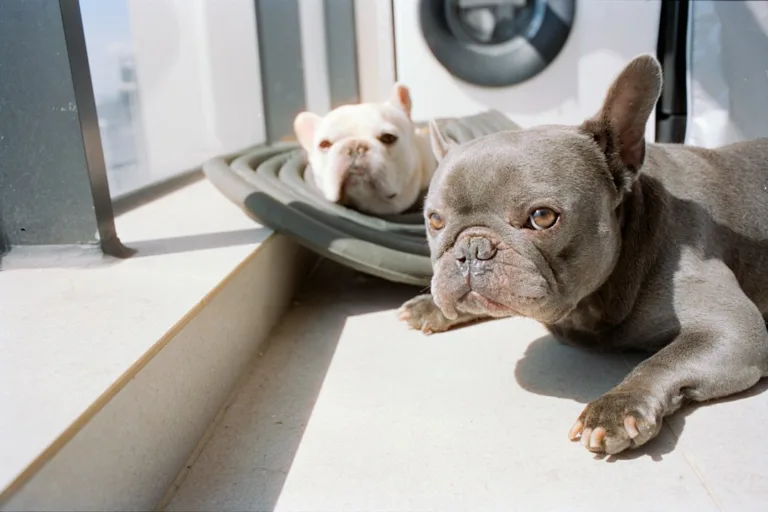
A lilac French Bulldog usually has a diluted brown-based coat that appears pale gray-brown or lilac in some light. The label is common in advertising, but sellers do not always use it consistently.
Ask what the word means for the individual dog and which test results support the description. A fashionable color name does not establish ancestry, good health, or a particular personality.
Lilac French Bulldog genetics in plain language
Brown-related pigment variants and dilution can interact to produce the appearance commonly called lilac. UC Davis Veterinary Genetics Laboratory explains that dilution can lighten brown pigment to shades described as lilac or Isabella.
The laboratory's terminology is a real example of why seller labels can overlap. Different businesses may use the same word differently, or use different words for related appearances.
Start with the broader French Bulldog color chart if you need to distinguish pigment from patterns such as brindle or pied. A full description may involve several traits rather than one gene producing one named color.
Lilac versus blue
Blue commonly describes diluted black pigment. Lilac commonly describes diluted brown pigment. Photographs can make that distinction difficult, especially under artificial lighting or after image editing.
| Feature | Blue description | Lilac description |
|---|---|---|
| Common pigment basis | Diluted black | Diluted brown |
| Typical visual impression | Blue-gray | Pale gray-brown or lilac |
| Best way to clarify genetics | Relevant laboratory results | Relevant laboratory results |
| What color cannot prove | Overall health | Overall health |
Our blue French Bulldog guide explains dilution without treating every shade as a separate breed. Neither label tells you how well a dog breathes or whether the skin will remain healthy.
Is lilac the same as Isabella
The terms can overlap, but you should not assume universal agreement. French Bulldog brown coloration can involve different genetic causes, including brown and cocoa-related variants. Sellers may use additional names that are not standardized laboratory diagnoses.
For an Isabella French Bulldog, ask for the actual genetic report and a plain explanation of the seller's terminology. If the price depends on a precise distinction, an unsupported verbal label is not enough.
Read the scope of the test. A panel that checks coat traits does not automatically test every inherited disease, establish breed purity, or predict the dog's future veterinary needs.
Does lilac meet the show standard
The AKC French Bulldog standard accepts specified colors and markings and disqualifies others, including blue and liver. A seller's lilac label should not be treated as proof of conformation eligibility.
Registration and show rules are separate. If showing matters to you, consult the relevant standard and seek a specific answer about the dog before committing. If you want a companion, evaluate health and household fit without assuming that show status answers those questions.
A dog can be loved and well cared for regardless of its show eligibility. The concern is accuracy in what is being sold or promised.
Health questions come before color premiums
Ask about breathing at rest and during activity, skin and ear history, eye concerns, and mobility. Request veterinary records and relevant screening information. A color certificate cannot replace any of those checks.
Do not assume every dilute dog will develop hair loss. Do not accept the opposite claim that a particular shade guarantees freedom from skin disease. If the dog has thinning, redness, or recurring infection, the cause needs clinical assessment.
Consider the practical cost of care. A high purchase price may leave less room for routine appointments and unexpected treatment. Choosing a fashionable coat should not undermine the budget needed to care for the dog itself.
Are lilac French Bulldogs rare or expensive
The research does not establish a reliable population-wide rarity ranking or a national lilac price. Listing prices show what sellers ask, not necessarily what buyers pay or how common the trait is across all Frenchies.
Ask for a written fee and what it includes. Compare health information and care standards rather than color claims alone. Pressure to pay quickly because a shade is supposedly unique should not replace time to review records.
A useful buying decision ends with clear information about the individual dog. It does not depend on proving that your future companion has the most unusual label in the litter.
Dog coat genetics provides background on interacting pigment traits, but a laboratory report remains specific to the variants tested.
FAQs
What is a lilac French Bulldog?
The term usually describes a Frenchie with diluted brown-based pigment and a pale gray-brown appearance. Usage varies between sellers. Relevant genetic results are more precise than judging a photograph alone.
What is the difference between a lilac and a blue French Bulldog?
Blue commonly refers to diluted black pigment, while lilac commonly involves diluted brown pigment. Lighting can blur the visual difference. Testing is needed when a precise genetic distinction matters.
Are lilac French Bulldogs rare?
There is no reliable population-wide rarity ranking established in the research used here. A seller's rare label may reflect marketing or local availability rather than measured prevalence across the breed.
How much is a lilac French Bulldog?
Prices vary by seller, location, dog, and included care. Request a written quote and health records. A premium for coat color does not guarantee better health or a more suitable companion.
Feed for the individual dog
Use the dog food calculator to estimate a healthy adult portion. Choose the ration by condition and needs rather than coat shade.