In this article
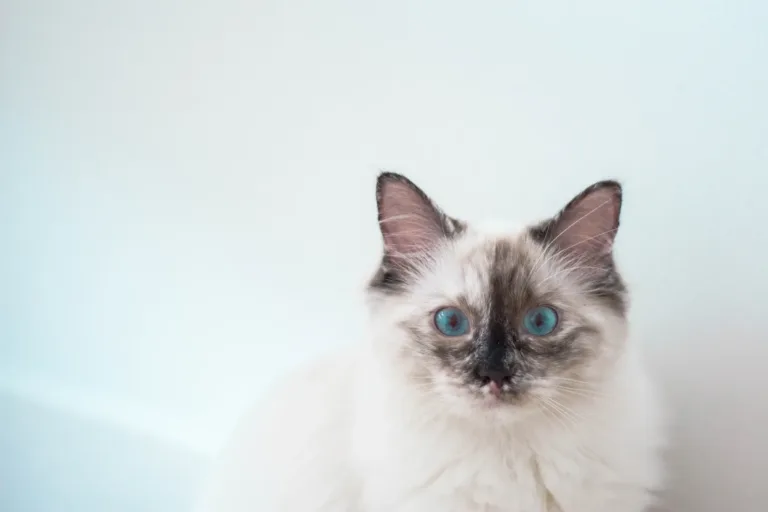
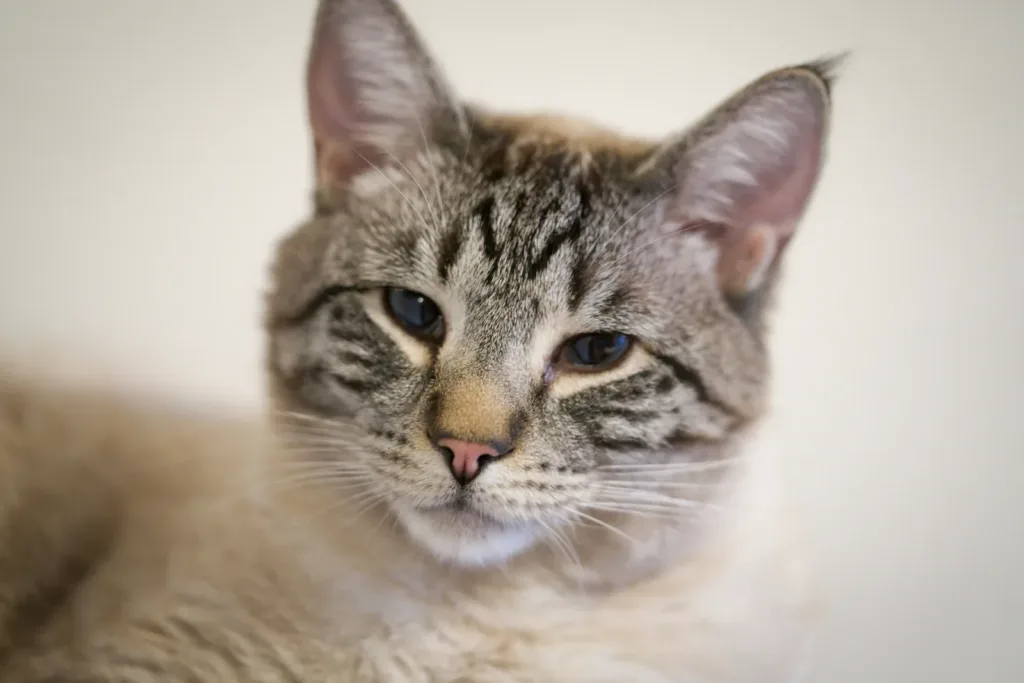
A lynx point Siamese kitten has tabby-style markings on its darker points, but the markings alone do not prove Siamese ancestry. Depending on its records and registry, the kitten may be a pedigreed Siamese, a Colorpoint Shorthair or a pointed domestic cat.
The practical job is to understand the pattern, then assess the kitten’s health, development and background. Stripes are useful clues. They are less accomplished at paperwork.
How to recognize a lynx point Siamese kitten
Look for tabby markings on the face, legs and tail alongside a lighter body. The strength and clarity of the markings can change as the kitten develops.
| Feature | What it may tell you | What it cannot prove |
|---|---|---|
| Facial tabby markings | Pattern expression | Pedigree |
| Tail rings | Tabby pattern in the points | A specific breed |
| Gray-blue versus darker markings | Possible color distinction | A diagnosis from one photograph |
| Pale young coat | Early development | The exact adult appearance |
A forehead marking alone cannot identify a kitten’s ancestry. Good records matter more than an online comparison photo.
Is tabby point the same as lynx point?
The terms are commonly used for the same general pattern, with naming preferences differing by organization and region. They describe tabby patterning combined with points.
The TICA standard allows pointed colors within Siamese. CFA places relevant nonclassic patterns in Colorpoint Shorthair rather than its four-color Siamese classification.
Our color chart explains that naming difference without asking you to memorize every show category.
Are all lynx points the same color?
No. Pattern and pigment are separate. A seal lynx point and a blue lynx point can share tabby markings but differ in underlying color.
Dilution matters for dilute colors. It would be misleading to claim that lynx points, as a whole, never involve dilution or are automatically easier to breed.
For a pale kitten, view the ears, face and tail in good natural light and ask the breeder how the color was recorded. Even then, avoid treating a photograph as a definitive genetic test.
What should you ask before bringing one home?
Ask for the kitten’s age, veterinary records, diet, litter routine and any relevant parental testing. If it is sold as pedigreed, confirm which registry issued the records.
Find out how the kitten responds to handling and ordinary household sounds. A pattern label says very little about the experience it has had with people.
If adopting, use the shelter’s observations to assess fit. An uncertain breed label does not make the cat less suitable; it simply sets limits on what can be claimed about ancestry.
How much does a kitten cost?
No reliable lynx-specific US price average was established. A general Siamese price quoted elsewhere should not be relabeled as a measured lynx-point market rate.
Compare the actual care, records and contract. The Siamese cost guide provides dated acquisition examples and explains what they do—and do not—represent.
Avoid paying a “rare stripes” premium without understanding the evidence behind it.
Does this pattern change care or temperament?
The pattern does not establish a separate feeding requirement or a predictable personality. Follow the kitten’s life stage and individual needs.
Use appropriate kitten food, arrange veterinary care and introduce handling gently. Our kitten development guide explains why weaning, vaccination and readiness to leave a breeder are different milestones.
Many cats with Siamese ancestry are described as interactive, but a kitten’s upbringing and individual temperament matter. Meet the actual animal where possible rather than buying a promised personality.
FAQs
What is a lynx point Siamese?
A pointed cat with tabby markings, described within the relevant breed and registry context. Without records, “lynx point” is a coat description, not proof of Siamese ancestry.
Are lynx points rare?
A representative frequency estimate was not established. Local availability and advertising language do not provide one.
Can a Siamese have stripes?
Yes, in registries that include the relevant pointed patterns. CFA uses a different breed classification for these nonclassic points.
Will the markings get darker?
They may become more apparent as the kitten develops, but the timing and final appearance vary. Do not expect a precise week-by-week color schedule.
Are lynx points calmer than other Siamese?
The research does not support a reliable temperament rule based on these markings. Ask about the individual kitten and its parents’ behavior without treating that as a guarantee.