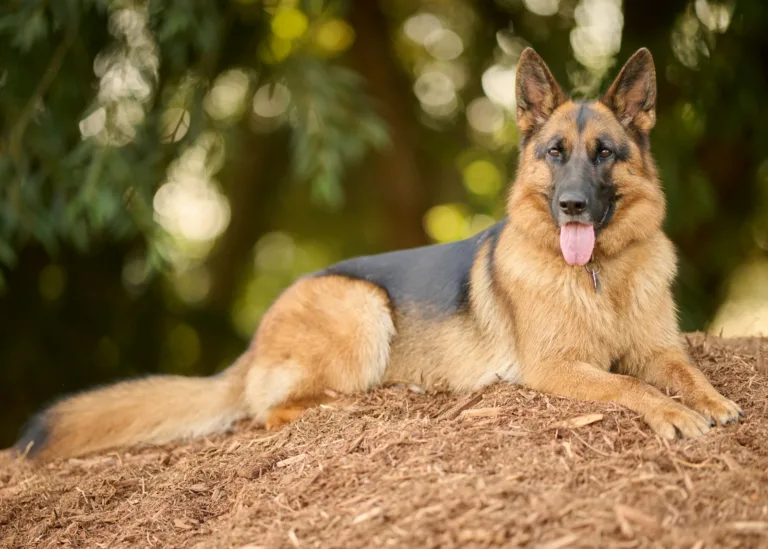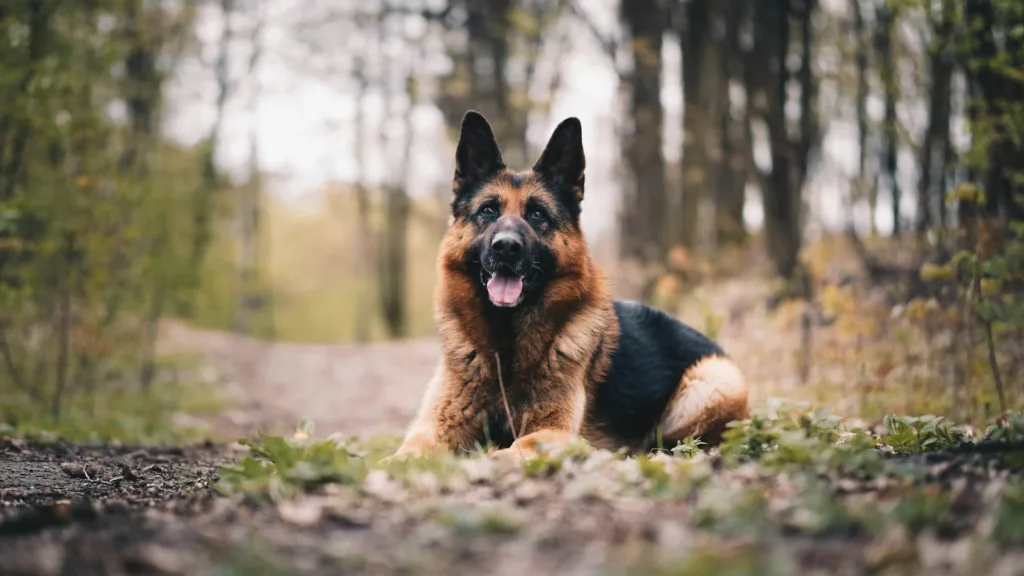
In this article
German Shepherd coat terminology mixes formal breed-standard categories with informal sales descriptions. “Short,” “stock,” “plush” and “long” do not always mean exactly the same thing to every seller.
Ask what the coat actually looks and feels like, whether an undercoat is present and what maintenance it needs.
A practical terminology guide
| Term | Meaning and limits |
|---|---|
| Stock coat | The close-fitting coat variety in FCI terminology |
| Short hair | Often an informal description of a shorter-looking coat |
| Long stock coat | Longer outer hair with undercoat under FCI rules |
| Plush | Informal; may describe a fuller-looking coat rather than a formal variety |
| Double coat | Outer hair and undercoat, not a separate color or line |
The FCI German Shepherd standard distinguishes stock and long stock coats. AKC show criteria differ, so eligibility should be checked with the organization involved.
What a double coat means for care
Loose undercoat and longer outer hair require appropriate brushing and inspection. The aim is to keep the skin comfortable and prevent compacted hair, not to remove as much coat as possible in one session.
Part the hair during checks, particularly behind the ears and around equipment. A smooth top layer can hide a less orderly situation beneath it.
Which coat sheds most?
There is no reliable universal ranking based only on coat length. Longer hair can be more visible, while seasonal and individual factors also affect shedding.
Use the shedding guide to distinguish expected loose coat from bald areas or irritated skin. A shorter coat does not mean a hair-free home.
Hair or fur?
In ordinary pet conversation, both terms describe the coat. The choice of word does not determine whether the dog sheds or whether someone will react to allergens.
Avoid treating “hair” as a promise of hypoallergenic ownership. If allergy concerns affect your choice, discuss them with an appropriate healthcare professional rather than relying on coat advertising.
Choosing a puppy by coat
Ask about the parents, relevant genetic testing and registry terminology. A young puppy’s appearance may not provide complete certainty about the adult coat.
Choose health and household suitability first, then decide which grooming commitment you prefer. The long-haired guide describes the extra attention longer furnishings can require.
Frequently asked questions
Is plush a separate recognized variety?
It is commonly used as an informal description. Ask the seller to define it rather than assuming a universal standard.
Do all double coats need shaving?
No. Routine care usually centers on brushing and skin checks. Medical clipping and severe-mat removal are separate decisions.
Does short hair mean less grooming?
It may change tangle management, but brushing, nails, ears, teeth and skin still need care.
Can coat type predict temperament?
No reliable personality prediction follows from coat length alone. Evaluate the individual dog.