In this article
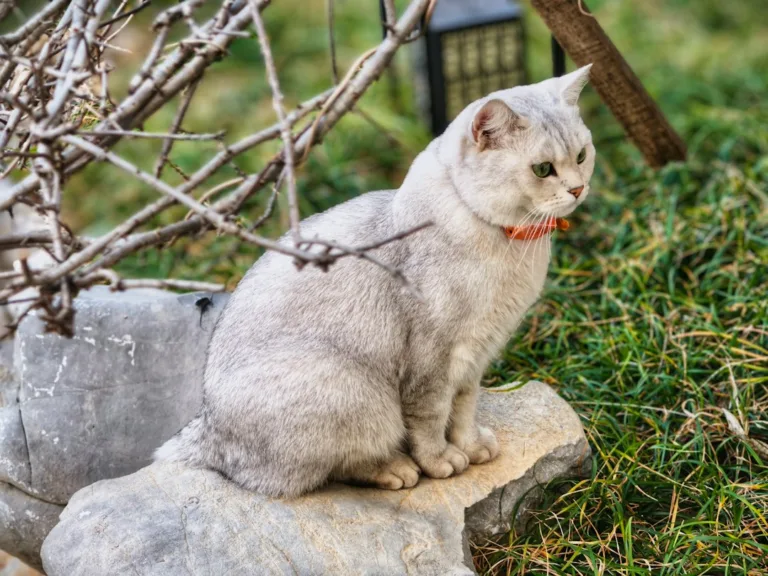
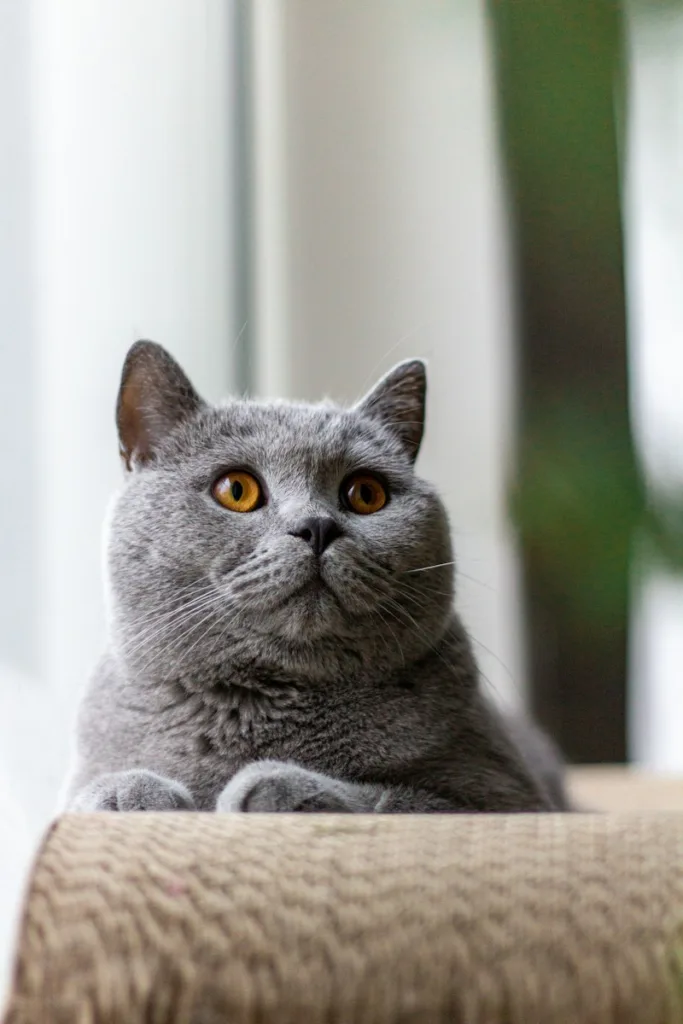
The Russian Blue vs British Shorthair comparison can be confusing because both may have blue-gray fur. A Russian Blue is a distinct breed with an elegant type, green eyes and a silver-tipped blue coat. A British Blue is a blue British Shorthair, usually recognized for a rounder, more substantial appearance.
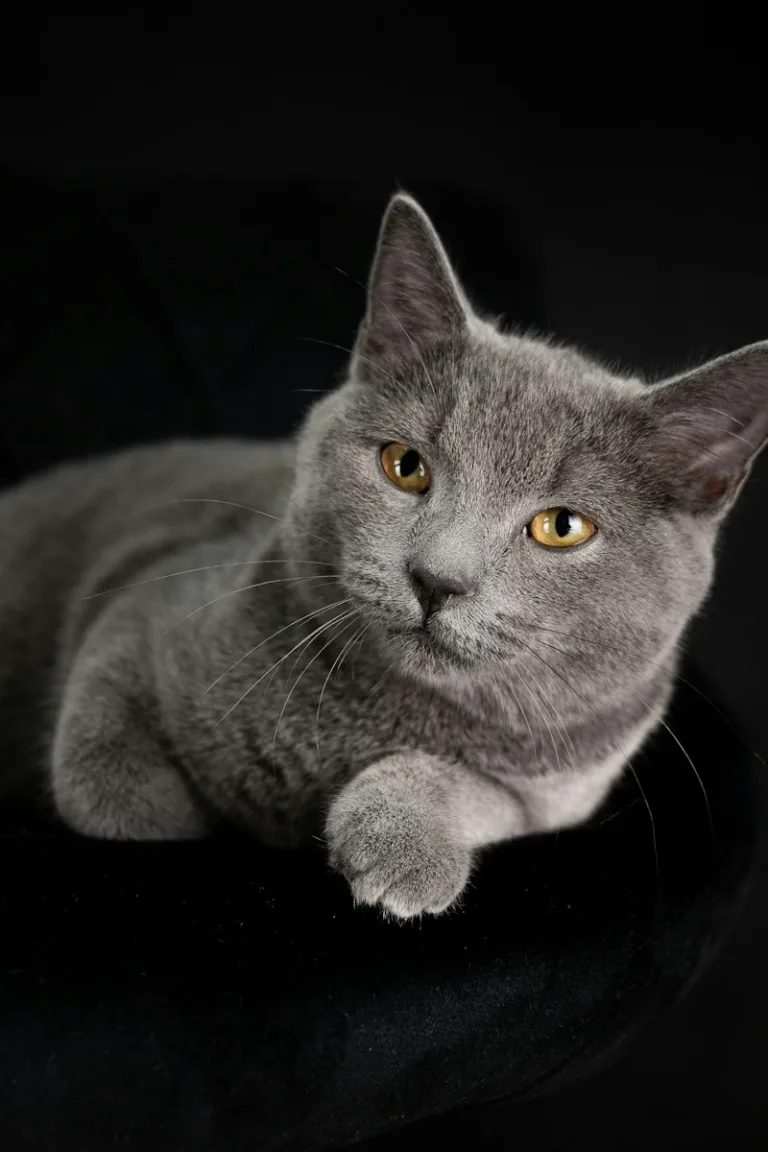
Color alone cannot identify either breed. The Chartreux adds another blue-coated possibility, and many domestic cats have similar coloring without belonging to any of these breeds.
Russian Blue vs British Shorthair at a Glance
| Feature | Russian Blue | British Blue | Chartreux |
|---|---|---|---|
| Breed identity | Russian Blue | Blue British Shorthair | Separate French breed |
| Typical head impression | Wedge-shaped | Rounded | Distinctive shape within its own standard |
| Adult eye description | Green | Gold or copper in the blue variety | Yellow to copper |
| Coat impression | Blue with silver tipping | Dense, plush-looking blue | Blue with a woolly texture |
Use this table for comparison, not as a home pedigree test. A photograph cannot show every structural feature, and a young kitten may not yet display the mature appearance expected in the standard.
Our British Shorthair color overview also explains why British Shorthair and British Blue are not interchangeable names for the entire breed.
Coat and Body Shape
CFA’s Russian Blue description emphasizes the combination of green eyes and a silver-tipped blue coat. Its overall impression differs from the rounded British type. Chartreux cats have their own muscular build and coat texture rather than being a regional name for a British Blue.
When comparing photographs, notice how pose changes the result. A crouching cat may look broader, while a stretched-out cat looks longer. Lighting can also make gray fur appear silver, brownish or very dark.
If someone is selling a kitten as a specific breed, ask for records. A visual resemblance is not enough to justify a pedigree claim or a premium price.
A Real Behavior Study
Salonen and colleagues’ 2019 owner-questionnaire study covered 5,726 cats. In that sample, Russian Blues were associated with greater shyness toward strangers and novel objects. British Shorthairs showed relatively low activity and human-contact seeking.
Those findings offer context, not a script for every cat. The study relied on owner reports, and group differences do not predict how a specific kitten will react in your living room. Shyness also should not be treated as illness simply because it appears in a breed comparison.
Ask breeders or foster carers what the individual cat actually does. Do they emerge when visitors arrive? How long do they take to investigate a new object? What helps them settle? Those answers can guide a realistic introduction to your home.
Choosing for Your Household
Think about noise, visitors and the amount of handling your household expects. A cat who enjoys quiet company may struggle if everyone wants to carry them around. Give any newcomer a secure starting room and time to explore.
For children, establish a clear rule that the cat can leave. For other pets, use gradual introductions and separate resources. Compatibility depends on the animals involved rather than a simple breed ranking.
If you are also considering a more socially forward breed, our discussion of Ragdoll friendliness can help frame the questions to ask. Avoid expecting any cat to perform a promised personality on demand.
Daily Care and Health Records
All three breeds need appropriate food, play, grooming and veterinary care. A quieter cat still needs opportunities to move and explore. A short coat still requires attention to loose fur and skin changes.
Do not choose one breed on an unsupported claim that it is universally healthier. Ask for the records relevant to the cat and family. Our British Shorthair health guide explains the British-specific questions without implying that other breeds are free of disease.
The general concept of a cat breed helps separate an established breeding population from a cat who happens to share its color.
For a practical next step, use our cat food calculator to estimate an adult feeding starting point, then check it against the individual cat’s condition.
FAQs
What is the difference between a Russian Blue and a British Shorthair?
A Russian Blue has its own breed standard, typically with green eyes, silver-tipped blue fur and a more elegant outline. British Shorthairs are rounder in type and come in many colors, including blue.
How can I tell if my cat is a Russian Blue or a British Blue?
Eye color, head shape and coat texture provide clues, but they do not prove ancestry. Registration and pedigree records are needed for a confident breed claim. Many domestic cats share blue-gray coloring.
What is the difference between a Chartreux and a British Shorthair?
The Chartreux is a separate breed with a blue coat, muscular type and its own coat texture and standard. British Shorthairs have a different rounded type and a broader range of coat colors.
Which is bigger a Russian Blue or a British Shorthair?
British Shorthairs often appear more substantial, while Russian Blues have a more elegant outline. Individual size overlaps. Compare healthy body condition and frame rather than assuming the heavier cat better represents its breed.