In this article
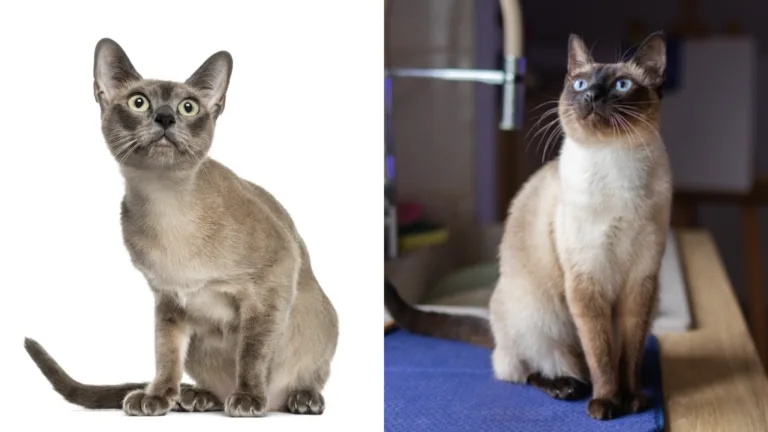
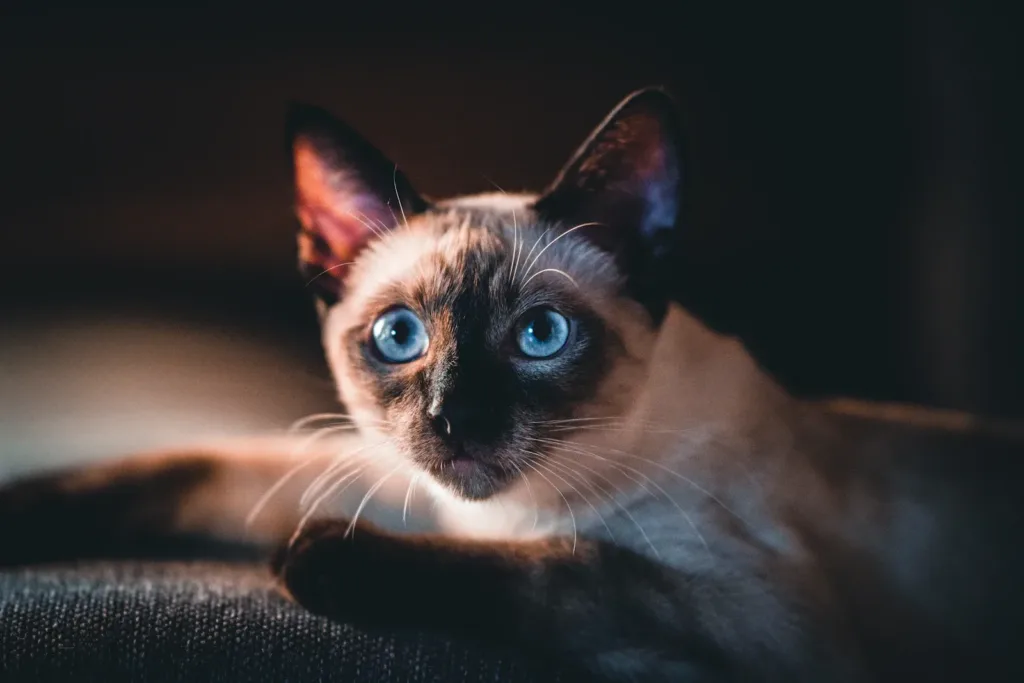
Siamese seal point coloring combines very dark brown points with a lighter body. The points can look almost black, especially in photographs, but this is different from a solid-black coat.
Seal point describes color and pattern, not a separate breed. Other pointed cats can share a similar appearance, so a dark mask does not establish Siamese ancestry on its own.
What does Siamese seal point coloring look like?
The contrast is usually clearest on the face, ears, legs and tail. Body shading can vary with age and other influences on pigment expression.
| Comparison | Main distinction |
|---|---|
| Seal versus chocolate | Seal has deeper, black-based pigment; chocolate has a different brown background |
| Seal versus blue | Blue is diluted black-based pigment |
| Seal versus solid black | Point distribution differs from a uniformly dark coat |
| Seal versus seal lynx | Lynx adds tabby markings to the points |
The CFA Siamese standard provides the formal breed-color context. Our color chart explains the combinations in plain language.
Why is the body lighter?
Pointed coloration involves temperature-sensitive pigment expression. It is not a surface stain or a pale coat covering a separate black one.
That helps explain why a genetically black-based color can appear concentrated at the extremities. For the common confusion with all-black cats, see black Siamese labels explained.
Do not use that mechanism as a reason to manipulate a cat’s temperature for appearance. Comfort and welfare come first.
How does a seal-point kitten change?
Siamese kittens begin pale, and points become clearer as they develop. The exact timing and amount of contrast vary.
An early photograph is not a complete preview of the adult coat. Lighting can also make a developing mask appear darker or warmer than it is.
Ask the breeder about recorded color and family background, and focus on health and development rather than expecting a miniature finished show cat.
How can you tell seal from chocolate?
Compare the point color under similar natural light and check the records if available. Seal is generally deeper; chocolate is usually described as warmer and lighter.
That visual distinction has limits. A poor photograph, age differences or strong body shading can make confident identification difficult.
The chocolate-point comparison explains why the two are genetically distinct rather than merely different intensities of the same color.
Does seal point predict personality?
No reliable evidence reviewed establishes a special seal-point temperament. A dark face does not make a cat more loyal, more assertive or more likely to enjoy being carried.
Meet the cat and ask about concrete behavior: handling, play, visitors, time alone and previous contact with other pets. The Siamese breed guide describes broader tendencies without promising an identical personality.
The facial expression may look serious. It is not a completed behavior assessment.
What should you pay?
No dependable seal-specific US average was established. General Siamese advertisements can provide context, but they cannot prove a standard premium or discount for this color.
Use the cost guide to compare care, records and terms. If buying a pedigree matters to you, verify it instead of accepting color as evidence.
For adoption, an uncertain ancestry label need not prevent a good match. It simply changes what can honestly be said about the cat.
What care does the coat need?
Gentle short-coat grooming is usually sufficient, adjusted to the individual. Changes involving itching, bare areas or skin damage should not be treated as ordinary color development.
Feeding should follow age, health and body condition. No seal-specific diet or color supplement is established by the research here.
FAQs
Is seal point the same as Siamese?
No. Seal point is a color-pattern description; Siamese is a breed identity. They often occur together but are not interchangeable terms.
What color are seal-point kittens at birth?
They are generally pale, with points developing afterward. Final-looking contrast is not expected immediately.
Is a dark seal point actually black?
Its point pigment is black-based, but its distribution is pointed. That differs from a solid-black coat.
Are seal points more affectionate?
No reliable color-based rule supports that claim. Assess the actual cat.
Will the coat stay exactly the same shade?
Appearance can change with development and other influences. Compare the cat’s health and condition separately from cosmetic shade changes.