In this article
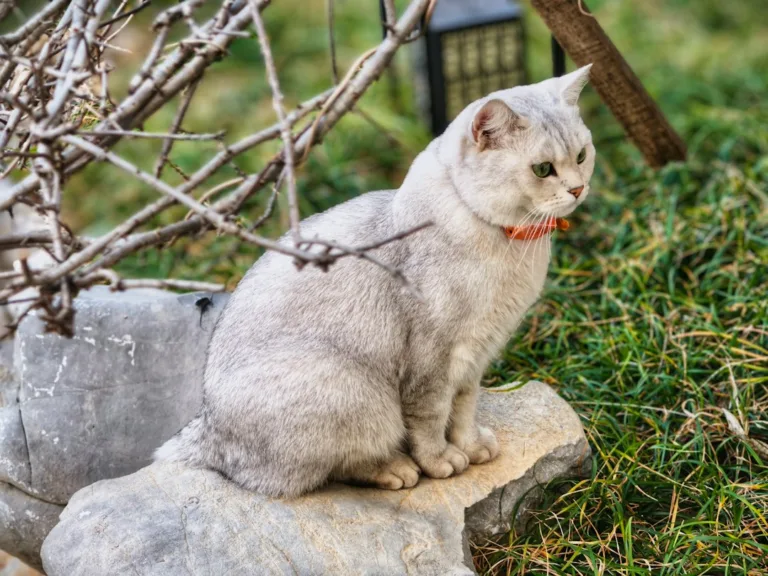
Do British Shorthairs shed a lot? They shed, and their dense short coat can leave noticeable fur around the home. The amount varies between cats and across seasons. Short hair makes individual hairs less long; it does not make the cat shed-free.
A manageable routine focuses on gentle grooming and noticing changes. It does not require shaving the coat or forcing a reluctant cat through long brushing sessions.
Do British Shorthairs Shed a Lot Compared With Other Cats?
There is no reliable numerical ranking in the research used here that tells us how much more or less every British Shorthair sheds than every other breed. Coat density, season, indoor conditions and the individual cat all affect what owners notice.
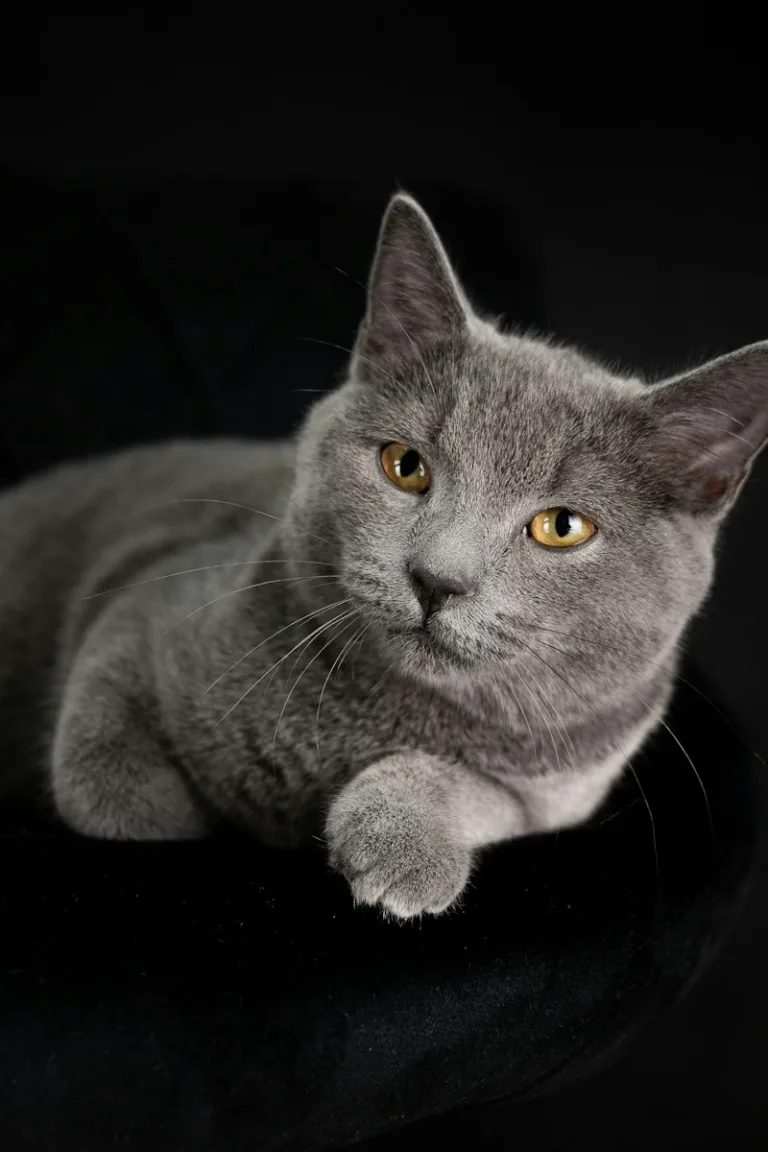
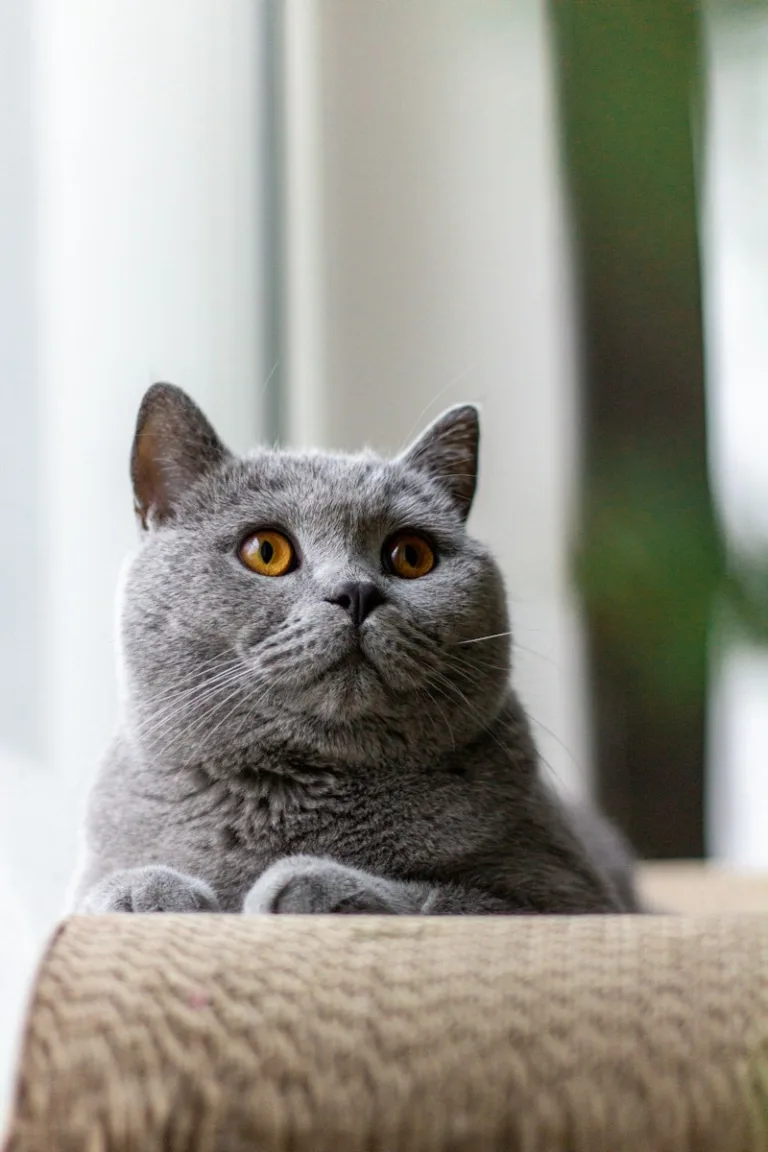
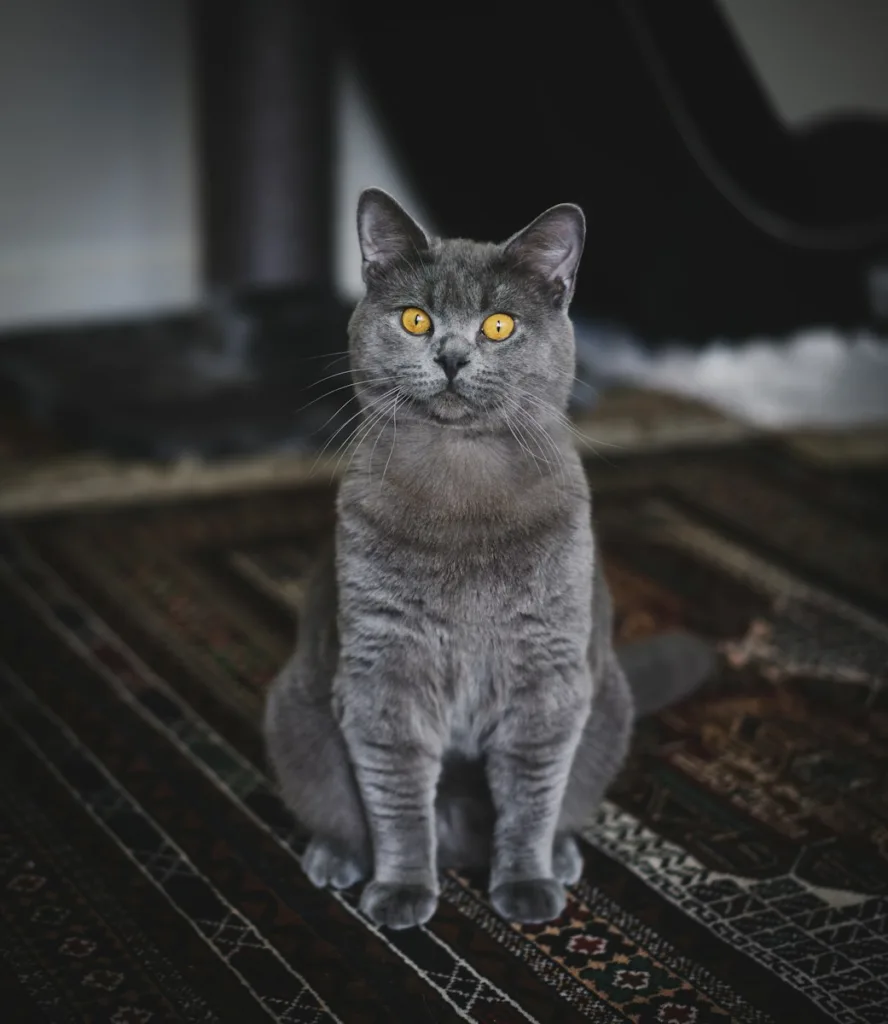
Their coat is short and very dense. Although some online descriptions call it double coated, CFA’s revised British standard explicitly describes it as not double coated or woolly. It is better to use the precise dense-coat description than repeat conflicting labels.
If you are comparing care demands, Maine Coon grooming provides a useful contrast with a longer coat. The routine should still be adapted to the actual cat rather than copied unchanged between breeds.
Build a Routine the Cat Will Accept
Start with brief sessions when the cat is settled. Let them inspect the tool, make a few gentle passes and stop before they become frustrated. Check that the brush reaches loose hair without scraping the skin or pulling painfully.
Use the cat’s response to adjust the session. A turning head, moving tail or repeated attempts to leave may mean you need a break. Holding the cat tighter can turn a minor grooming task into something they avoid.
- Begin with areas the cat usually accepts being touched.
- Work gently and check the skin as you go.
- Pause around sensitive areas rather than forcing access.
- Reward calm cooperation and end on an easy step.
A regular check is more useful than a rigid schedule that ignores coat condition. Increase attention when loose fur builds up, and seek help with mats that cannot be removed comfortably.
A Documented Example From Older-Cat Care
GCCF notes that older British cats may need help preventing mats when grooming becomes difficult. This is a real care situation, not a fictional case history. It shows why a short coat can still require extra support as a cat’s needs change.
If a previously tidy cat develops a greasy or tangled coat, ask why. Reduced flexibility, discomfort or another health issue may be involved. Simply buying a stronger brush can miss the underlying problem.
Our British Shorthair health guide explains why changes in movement and daily habits deserve attention alongside visible skin problems.
When Shedding Needs Veterinary Advice
Ordinary loose fur is different from bald patches, inflamed skin, wounds or persistent chewing and licking. A sudden large change, especially with appetite or behavior changes, should be discussed with a veterinarian.
Describe when the change began and which areas are affected. Photographs taken over time may help show progression. Avoid applying human skin products or unprescribed treatments while guessing at the cause.
Do not assume all hair loss is normal seasonal shedding. The pattern and the cat’s comfort matter. Likewise, do not assume an older cat’s poor coat is unavoidable aging.
Baths Nails and the Rest of Grooming
Routine bathing is not automatically necessary for a healthy British Shorthair who keeps their coat clean. A specific mess or skin condition may need a different approach. Ask for guidance on suitable products and handling when a bath is needed.
Include nail checks and veterinarian-guided dental care. Grooming should be a chance to notice changes, not only remove fur. A cat who suddenly objects to a familiar touch may be uncomfortable.
Shedding also does not answer the allergy question. Our guide to British Shorthairs and allergies explains why allergens and visible hair are different issues.
The broader process of cat grooming includes normal self-care, but changes in that behavior can signal a need for help.
Support the everyday care routine with sensible portions. Use our cat food calculator as a starting estimate and review it with your veterinarian when needed.
FAQs
Do British Shorthairs shed a lot?
They shed enough for loose fur to be noticeable, but the amount varies. Their short, dense coat is not shed-free. Monitor what is normal for your cat rather than relying on a universal shedding score.
How often should you brush a British Shorthair?
Use regular short sessions and adjust them to loose hair, coat condition and tolerance. Some cats need more attention during heavier shedding or as they age. Gentle consistency matters more than forcing a fixed session length.
Do British Shorthairs need baths?
Healthy cats who keep themselves clean do not automatically need routine baths. A particular mess or medical condition may change that. Use veterinary advice when choosing products or treating a skin concern.
Why is my British Shorthair shedding so much?
Seasonal variation may contribute, but sudden changes can have other causes. Bald patches, irritated skin, excessive licking or changes in appetite and behavior warrant veterinary assessment rather than more aggressive brushing.