In this article
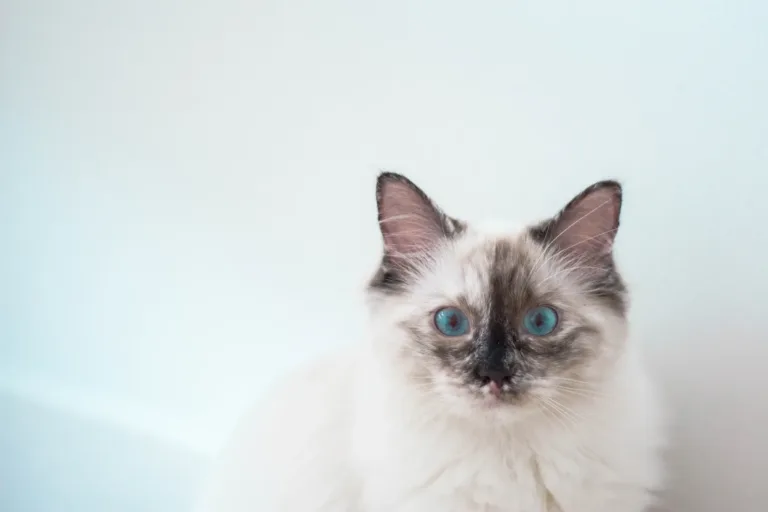
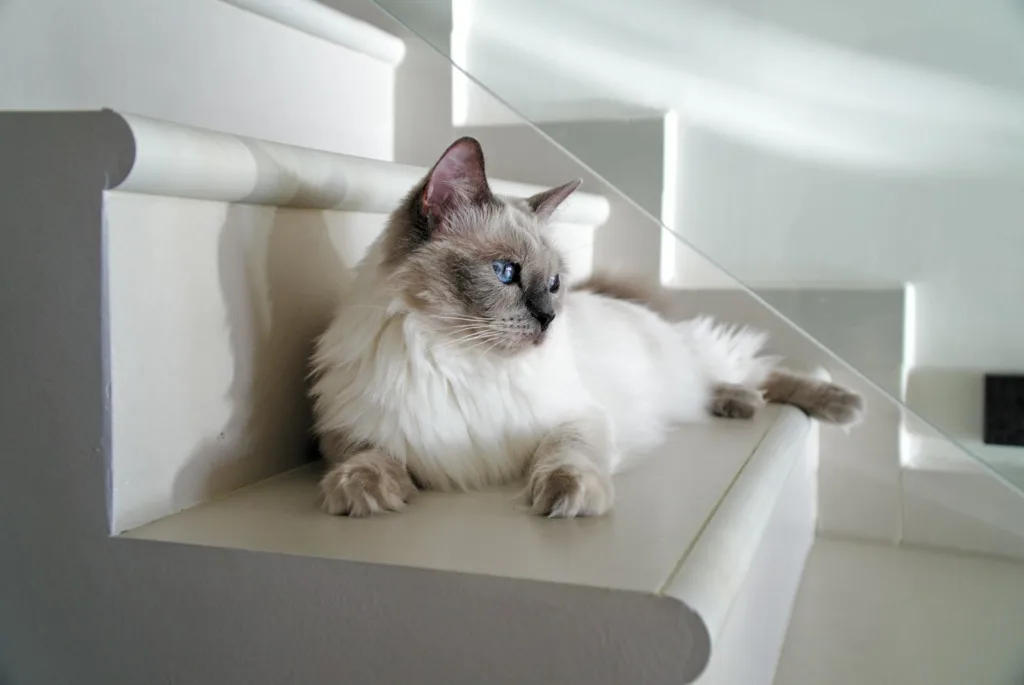
A lilac Ragdoll has a pale, pinkish-gray color rather than purple fur. The name belongs to cat color terminology, which occasionally asks ordinary household lighting to perform rather more precision than it can manage.
Lilac is the dilute counterpart of chocolate. Blue is a different dilute color, so the two should not be treated as interchangeable descriptions for a pale gray kitten.
What makes a Ragdoll lilac?
Coat color involves several interacting genetic features. For lilac, the useful relationship is chocolate pigment combined with dilution.
The UC Davis dilute test information explains the recessive dilution mechanism. Knowing whether a cat carries or expresses a variant is different from simply deciding that its coat looks light.
For more on the underlying brown colors, see the chocolate Ragdoll guide.
How does lilac differ from blue?
| Feature | Lilac | Blue |
|---|---|---|
| Color relationship | Diluted chocolate | Diluted black-based pigment |
| Standard visual description | Frosty gray with a pinkish tone | A cooler gray tone |
| Effect of white pattern | Can hide parts of the colored areas | Can hide parts of the colored areas |
| Identification from a young kitten photo | May be uncertain | May be uncertain |
Use the comparison to understand terminology, not to certify a cat from a screen. Exposure and white balance can alter pale colors substantially.
The blue Ragdoll guide covers the other side of this comparison. If two sellers use different labels for very similar photographs, ask how each identification was established rather than assuming the photographs prove one wrong.
What is a lilac point or lilac bicolor?
Lilac describes the color. Colorpoint, mitted and bicolor describe the arrangement of white and colored areas.
A lilac bicolor can therefore look especially pale because both its dilute points and its white markings contribute to the overall impression. That does not make it an all-white cat.
Lynx or tortie features can add another layer. The colors and patterns guide explains how to read the full name without mistaking every combination for a separate breed.
How should you compare pale kittens?
Ask for current, unfiltered images taken in neutral daylight, ideally alongside the documented color description. Request information about the parents and any relevant testing when the exact shade matters to you.
Do not demand certainty from an image that barely shows the ears or tail. A sleeping pale kitten on a white blanket is an attractive photograph and a fairly unhelpful color reference.
Keep any prediction modest. An adult coat is not a paint sample that a breeder can promise will match every future photograph.
Will lilac points become darker?
Color contrast can develop as a pointed cat matures. That does not mean a lilac cat has genetically turned blue or seal.
Documenting changes in the same cat is more useful than comparing unrelated animals at different ages. If the coat develops patchy loss, skin irritation or other abnormal changes, consult a veterinarian rather than treating everything as ordinary color development.
Our white Ragdoll guide explains why a pale coat can lead to confusing labels, particularly in young cats.
Are lilac Ragdolls rare or unusually expensive?
The sources reviewed here do not establish a reliable population-wide rarity percentage. Availability depends partly on which colors individual breeding programs produce.
Ask for current quotes and their inclusions rather than relying on a general price-by-color chart. Our Ragdoll cost guide shows how to compare acquisition routes and ongoing care.
A color preference is reasonable, but it should not make missing records acceptable. Health history, socialization and a clear contract remain relevant whatever the shade.
Does lilac coloring affect personality?
There is no sound basis in the reviewed evidence for assigning lilac cats a special temperament. Ask what the individual does during handling, play and ordinary household activity.
If you want a cat comfortable with grooming, an honest observation about combing tolerance is more useful than a promise that pale-colored cats are gentle. The coat description cannot do that job.
Frequently asked questions
Are lilac Ragdolls actually purple?
No. The term describes a pale gray with a pinkish cast, not vivid purple fur.
Is lilac the same as blue?
No. They are different dilute colors with different underlying pigment relationships.
Can lilac Ragdolls have white paws?
Yes, depending on the white pattern. Use the mitted and bicolor guide to interpret the markings.
Does a very pale kitten have to be lilac?
No. Young age, lighting, white markings and other colors can create a pale appearance. Records and appropriate testing may help resolve uncertainty.