In this article
Ragdoll coat names become easier to understand when you separate color from pattern. “Blue lynx bicolor,” for example, describes three features of one cat rather than three competing guesses.
Registry context matters too. A list that is correct for CFA may not describe TICA’s current categories. Before deciding that a color is impossible, ask which standard the claim is using.
What are the colors of Ragdolls?
As checked October 1, 2026, CFA’s Ragdoll standard lists seal, blue, chocolate, lilac, red and cream. TICA’s breed profile also includes cinnamon and fawn.
The TICA Ragdoll breed-group standard, effective May 2025, distinguishes pointed Ragdolls from Cherubim categories. That update matters when reading older articles about mink, sepia and solid cats.
| Color family | Everyday visual starting point | Read more |
|---|---|---|
| Seal | Deep brown | Seal Ragdolls |
| Blue | Cool gray | Blue Ragdolls |
| Chocolate | Warmer, lighter brown than seal | Chocolate Ragdolls |
| Lilac | Pale gray with a pinkish cast | Lilac Ragdolls |
| Red or flame | Orange-red tones | Red and cream Ragdolls |
| Cream | A paler dilute red | Red and cream guide above |
| Cinnamon and fawn | A separate brown variant and its dilute counterpart | Cinnamon and registry differences |
These are starting descriptions, not a way to certify a cat from a phone screen. Photographs, age and white markings can all affect what you see.
What do colorpoint, mitted and bicolor describe?
These terms concern the distribution of colored and white areas. They are separate from whether the point color is seal, blue or another shade.
Colorpoint lacks the white distribution characteristic of mitted and bicolor. Mitted adds white feet and associated markings; bicolor has more extensive white, including the familiar inverted V on the face. CFA also describes a van pattern with a different distribution of color.
The bicolor and mitted guide compares the markings region by region. A marking variation may affect show assessment without making the cat unhealthy or less suitable as a companion.
Where do lynx and tortie fit?
Lynx describes tabby features on the points. Tortie describes a mixture involving red or cream with another color. A cat can have both, often described informally as torbie.
These features can be combined with white patterns. The words accumulate because each adds information, not because the cat requires a particularly long business card.
For the separate explanations, see lynx point Ragdolls and tortie Ragdolls.
A worked naming example
Take blue lynx bicolor:
1. Blue identifies the color family. 2. Lynx adds tabby markings. 3. Bicolor identifies the white pattern.
That is an illustrative breakdown, not a claim about a particular photographed cat. It also shows why counting every combination as a separate “type of Ragdoll” can produce wildly different totals across websites.
Are mink, sepia and solid simply more colors?
They describe a different aspect of pigment distribution, so placing them beside “blue” as though all the words mean the same thing creates confusion. A cat’s visible shade, color genotype and registered category are related but distinct.
Read the mink, sepia and Cherubim explanation before judging a listing. Ask what the registry documents will call the cat, not only what the advertisement calls it.
Why do kittens look different as they grow?
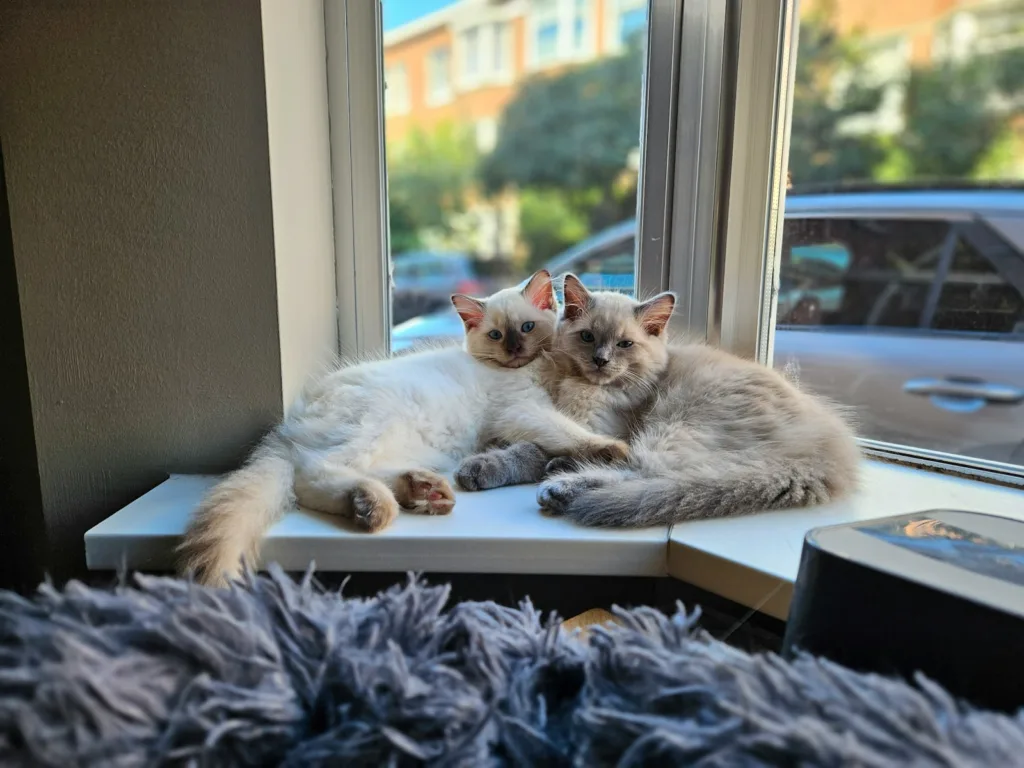
Temperature-sensitive pigmentation helps explain the developing contrast in pointed cats. A young pale coat is not a final adult color chart.
Ask for unfiltered photos in ordinary light and avoid demanding an exact shade forecast from an early kitten image. If you want to follow development, keep dated photos of the same individual under reasonably similar conditions.
For pale kittens and high-white adults, our white Ragdoll guide explains why several very different appearances get grouped under one search term.
What can color tell you about pedigree or personality?
Appearance can help describe a cat, but it cannot independently establish parentage. A color test answers a genetic-color question; registration records answer different questions about identity and pedigree.
Nor does a shade provide a dependable personality forecast. Ask about observed handling, play and social behavior. A color preference is reasonable; allowing it to replace every other buying question is less useful.
Frequently asked questions
What is the rarest Ragdoll color?
The research behind this guide did not identify representative registry counts that justify a reliable rarity ranking. Availability in one breeder’s program is not the same as frequency across the breed.
Can a Ragdoll have green eyes?
Blue eyes belong to the pointed Ragdoll standards discussed here, while other eye colors require category and pedigree context. An eye-color photograph alone cannot establish that a cat is mixed or incorrectly registered.
Are gray Ragdolls called blue?
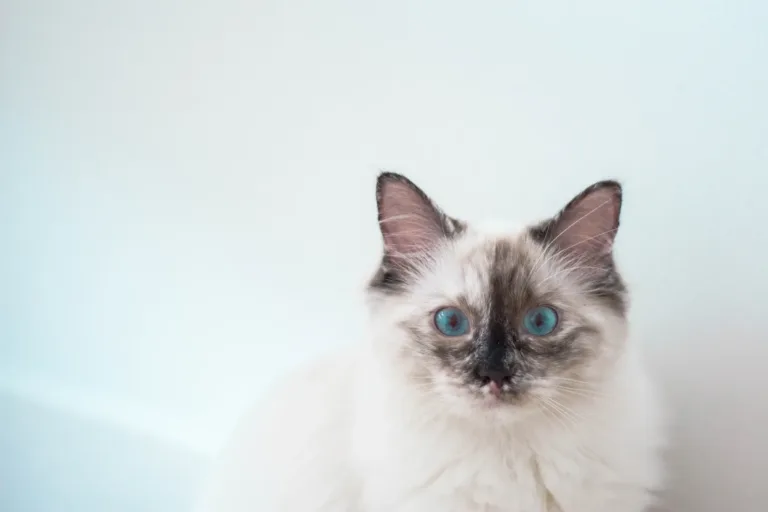
Blue is the formal color term commonly corresponding to a gray appearance. It does not mean every gray longhaired cat is a Ragdoll.
Can one cat be both lynx and bicolor?
Yes. The terms describe different pattern features and can be combined.
Does a mismarked kitten need special medical care?
A show-marking variation is not, by itself, a medical diagnosis. Assess health separately through appropriate veterinary care.