In this article
- How Many Maine Coon Colors Are There?
- Maine Coon color and pattern chart
- Solid colors
- Tabby patterns
- Smoke, shaded and silver
- Tortoiseshell and calico
- Bicolor and van patterns
- What are the rarest Maine Coon colors?
- Maine Coon eye colors
- Colors not accepted in standard Maine Coon competition
- FAQs
- Related Maine Coon guides
- Sources and review
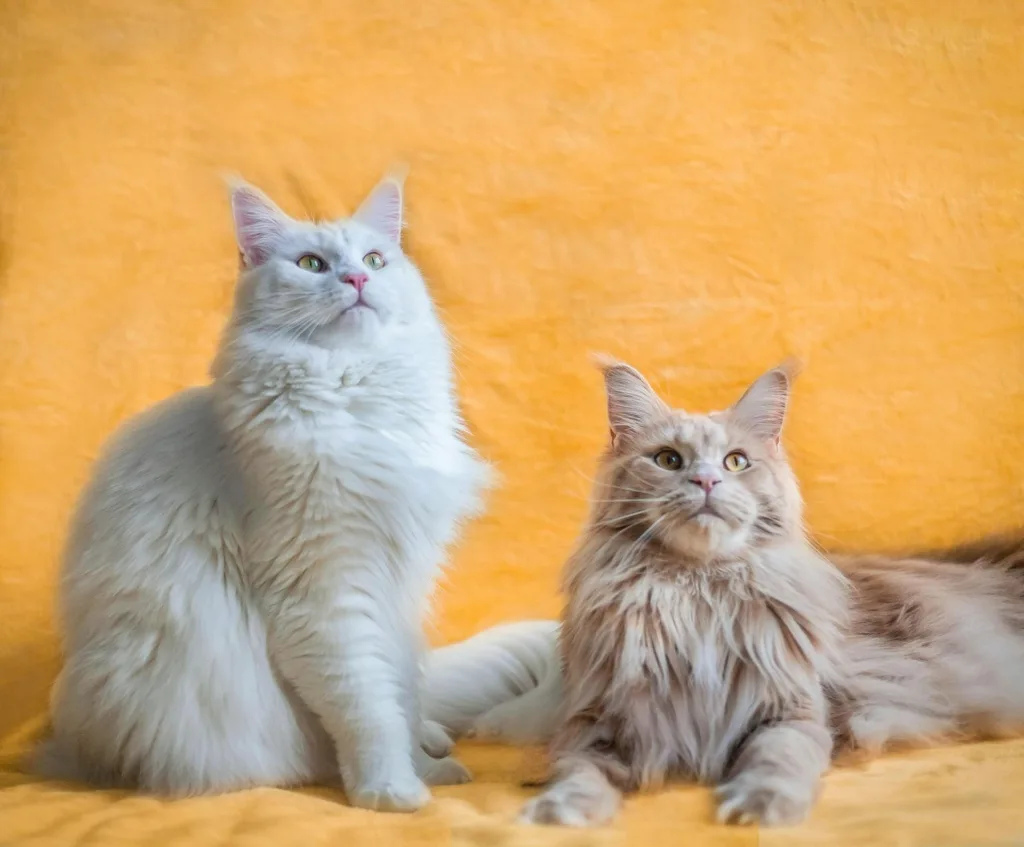
Maine Coon colors come in a wide range of recognized shades and patterns. The simplest way to understand them is to separate base color from pattern. A cat can be black, blue, red or cream, then also be tabby, smoke, shaded, tortie, bicolor or another recognized pattern combination.
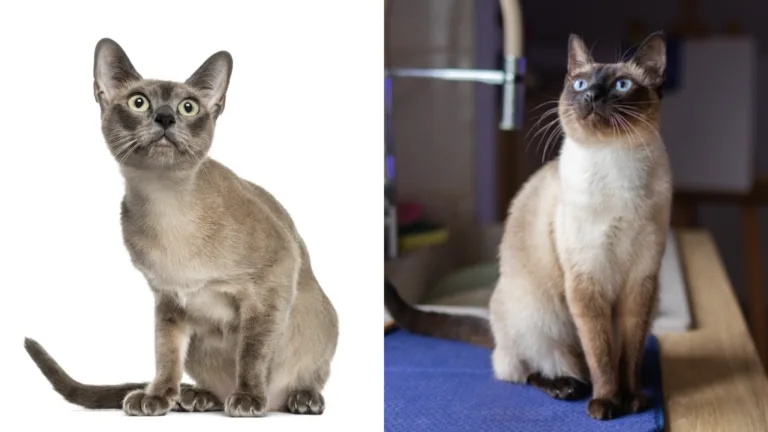
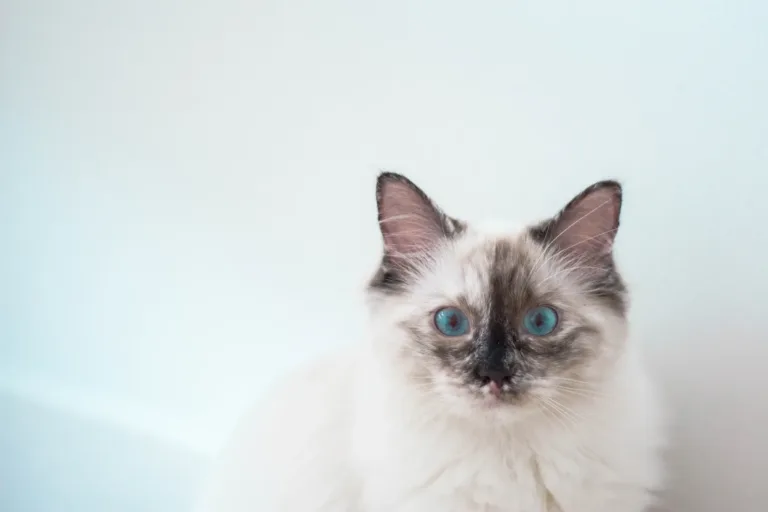
CFA and TICA do not treat every possible cat color as acceptable for Maine Coons. CFA excludes the Himalayan/pointed pattern, and registry standards also exclude colors that indicate outcrossing, such as chocolate or lilac in standard Maine Coon competition rules.
How Many Maine Coon Colors Are There?
There is no useful single number because registries classify combinations of color, silvering, white spotting and pattern. “Dozens” is more accurate than pretending there are exactly 75 or 84 universal colors.
Maine Coon color and pattern chart
| Color family | Examples | Can combine with |
|---|---|---|
| Black | Black, black smoke, black tabby | White, silver, tortie in females |
| Blue | Blue, blue smoke, blue tabby | White, cream in dilute torties |
| Red | Red tabby, red silver | White |
| Cream | Cream tabby, cream silver | White |
| White | Solid white | Eye colors may include blue, gold/copper, green or odd eyes depending on registry class |
| Tortoiseshell | Black + red | Tabby (torbie), white (calico) |
| Dilute tortie | Blue + cream | White (dilute calico) |
Solid colors
A solid cat appears one color overall. In black Maine Coons, tabby “ghost” markings can sometimes be visible in certain light, especially in kittens, without making the cat a true tabby at maturity.
Blue is the dilute form of black. Cream is the dilute form of red.
Tabby patterns
Tabby is a pattern, not a breed. Maine Coons can show classic tabby swirls, mackerel striping and other registry-recognized tabby presentations.
Brown classic tabby is one of the looks most strongly associated with the breed in popular culture, which is why people sometimes mistake “Maine Coon” and “brown tabby” for interchangeable terms.
Smoke, shaded and silver
Silver-related patterns suppress warm pigment near the hair base to different degrees. A smoke cat may look solid until the coat parts, revealing a pale undercoat. Shaded and shell/chinchilla appearances show progressively more light undercoat and less color at the hair tips.
The genetics and registry names are technical enough that photos alone can be misleading. If color classification matters for showing or breeding, use the registry standard and pedigree/breeder records.
Tortoiseshell and calico
Tortoiseshell combines orange and non-orange pigment. Calico adds substantial white. These patterns are overwhelmingly female because the orange locus is X-linked.
Read our Calico and Tortoiseshell Maine Coons for the details.
Bicolor and van patterns
Bicolor cats combine colored areas with white. “Van” describes a high-white pattern with color concentrated mainly on the head and tail, with limited body spots depending on the registry definition.
White amount is a pattern feature, not evidence of a different Maine Coon type.
What are the rarest Maine Coon colors?
A reliable rarity ranking would require representative color-frequency data. The registry sources reviewed here do not provide a complete breed-wide census. A color being absent from one breeder’s litter does not make it the rarest Maine Coon color.
| Claim | What the evidence can show |
|---|---|
| A color is recognized | Check the relevant registry’s color standard |
| A color is uncommon in one cattery | Describes that cattery’s kittens, not the breed population |
| One color is officially the rarest | Not established by the registry sources reviewed |
Maine Coon eye colors
CFA allows green, gold, green-gold and copper eyes. White cats and cats with white may also have blue eyes or two different eye colors. Check the specific registry standard when showing or registering a cat.
Blue eyes in an adult nonwhite/non-bicolor Maine Coon can raise a color-standard question, especially if paired with pointed coloration.
Colors not accepted in standard Maine Coon competition
The Himalayan/pointed pattern is not accepted under the CFA Maine Coon standard. Registry rules also exclude chocolate, lilac and certain related colors because they indicate genetic influences outside the accepted breed standard.
FAQs
What colors do Maine Coons come in?
Common families include black, blue, red, cream, white, tabby, silver, smoke, tortie, calico and combinations with white.
What is the rarest Maine Coon color?
There is no authoritative breed-wide frequency table that proves one color is the rarest. Be cautious with breeder marketing that treats rarity as an official ranking.
Can Maine Coons be colorpoint?
The Himalayan/pointed pattern is not accepted under the CFA Maine Coon standard.
What color eyes do Maine Coons have?
Under CFA’s standard, green, gold, green-gold and copper are allowed; white cats and cats with white may also have blue or odd-colored eyes.
Related Maine Coon guides
- Black Maine Coon
- White Maine Coon
- Tabby Maine Coon
- Orange Maine Coon
- Maine Coon breed and care guide
Sources and review
Key reference: Cat Fanciers’ Association: Maine Coon profile and breed standard.
Additional source notes: CFA Maine Coon color codes; CFA breed standards; TICA, Maine Coon; UC Davis VGL, Feline Coat Color.
Editorial fact-check: September 29, 2026.